Author: Harsheel Purohit

  • How Good Energy Efficiency Is Obtained By MEP

    How Good Energy Efficiency Is Obtained By MEP

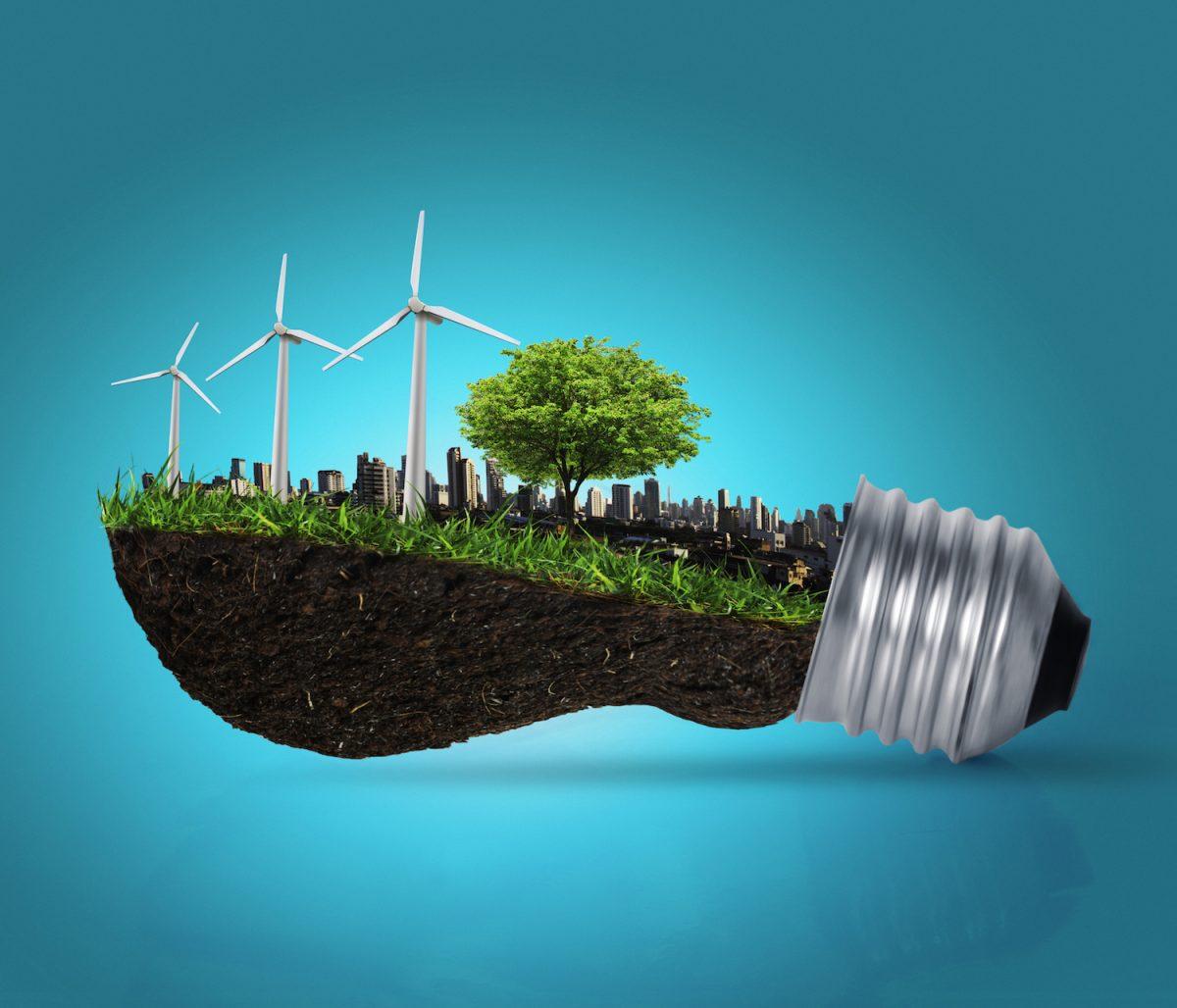
    Welcome to an enlightening exploration of Energy efficiency in Mechanical, Electrical, and Plumbing (MEP) systems, guided by the transformative capabilities of BIM. In this blog, we will delve into the critical importance of energy efficiency. Explore how BIM enhances MEP systems' efficiency, and highlight the profound impact of energy-saving practices on communities and the environment. Join us as we humanize the science behind energy efficiency and discover how BIM is paving the way for buildings that are not only functional but also sustainable and energy-efficient.
    Picture background

    Understanding Energy Efficiency in MEP Systems:-

    Energy efficiency in MEP systems refers to the optimization of mechanical, electrical, and plumbing systems within buildings to minimize energy consumption while maintaining or enhancing performance. These systems play a crucial role in providing comfort, safety, and functionality to building occupants while significantly influencing overall energy use and environmental impact. By improving energy efficiency in MEP systems is crucial as it reduces operational costs, lowers greenhouse gas emissions, and mitigates climate change effects. Moreover, these enhancements foster sustainability across building operations.

    The Role of BIM in Enhancing Energy Efficiency:-

    BIM revolutionizes energy efficiency in MEP systems by providing advanced tools for design, analysis, simulation, and management, thereby fostering sustainability. Moreover, BIM empowers engineers with multidimensional modeling, optimizing performance, and assessing lifecycle impacts of MEP systems, ensuring comprehensive sustainability and efficiency. Facilitating informed decision-making, BIM maximizes energy savings and sustainability outcomes. Additionally, by integrating energy-efficient design principles into BIM workflows, engineers can identify opportunities for improvement and implement solutions that optimize building performance.

    BIM's Approach: Excellence in Education and Technological Integration:-

    At BIM, energy efficiency in MEP systems is integral to our curriculum in environmental engineering and sustainable design. Additionally, we emphasize a holistic approach that combines theoretical knowledge with hands-on experience using BIM tools. As a result, BIM equips future professionals not only to design but also to optimize energy-efficient MEP systems for modern buildings and communities.

    The Journey of Energy Efficiency in MEP Systems: Strategies and Innovations:-

    Achieving energy efficiency in MEP systems requires strategies and innovations to reduce energy use, improve performance, and enhance comfort. Here are key aspects where BIM plays a pivotal role in advancing energy efficiency:

    1. Optimized HVAC Systems:-

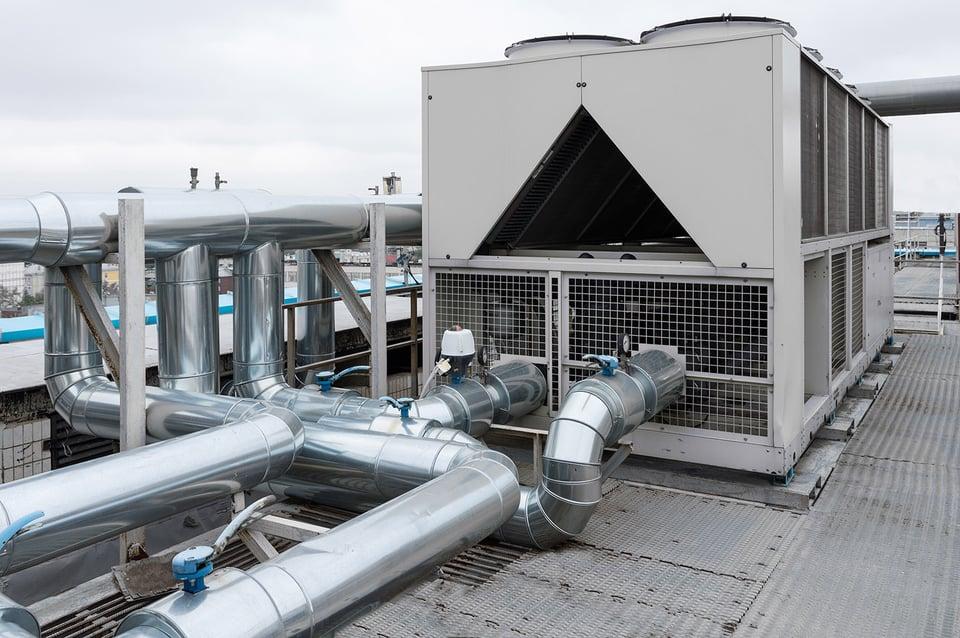
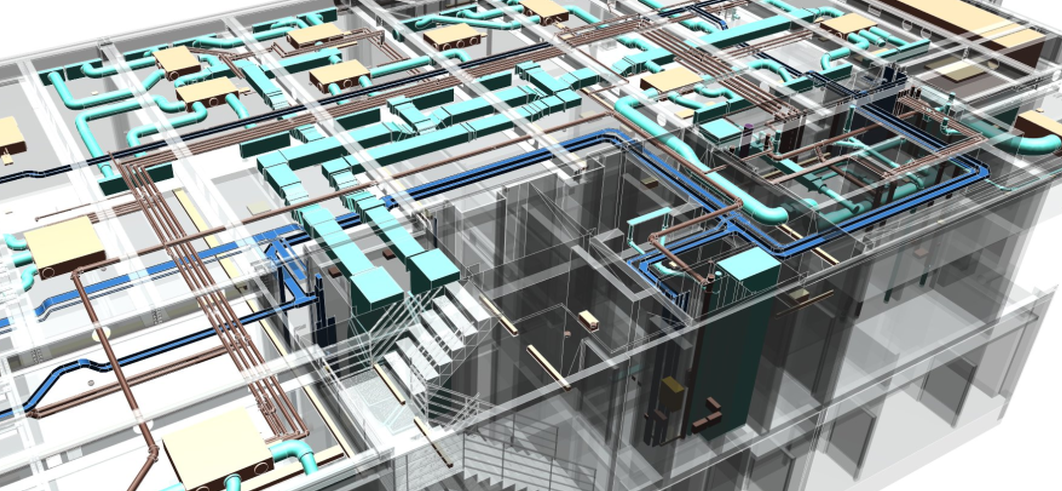
    Energy Modeling: BIM not only simulates HVAC performance but also carefully analyzes energy use patterns, subsequently optimizing equipment sizing, layout, and control strategies.

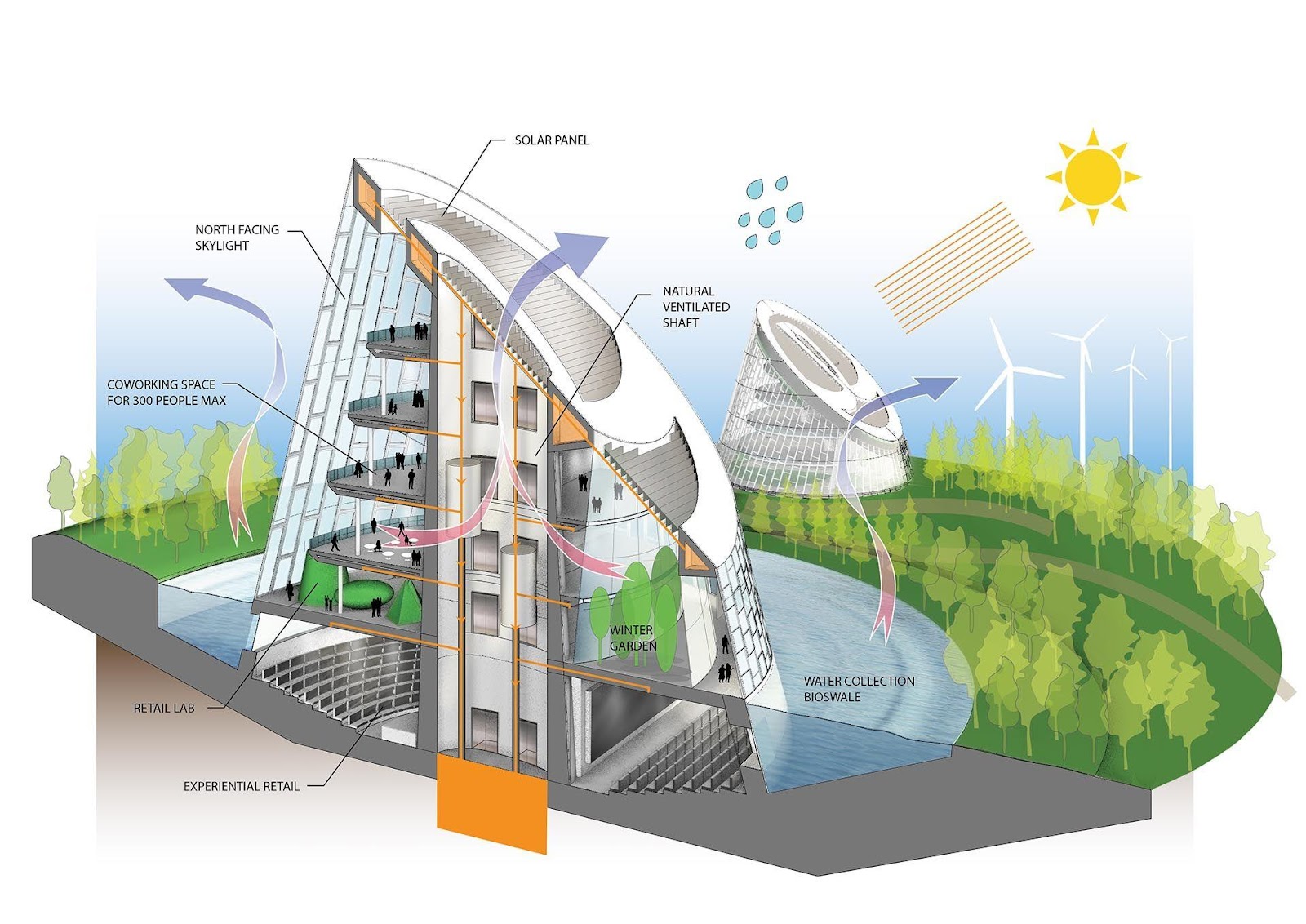
    Integrated Design: Collaborate with architects to integrate natural ventilation. Use daylighting strategies to reduce HVAC loads and energy demand.
    Picture background

    2. Efficient Lighting and Electrical Systems:-

    Lighting Design: Utilize BIM to design lighting layouts that maximize natural light; additionally, specify energy-efficient fixtures and automate controls.

    Power Distribution: Minimize electrical losses; optimize layouts; additionally, incorporate solar panels to enhance energy efficiency.

    3. Water Conservation and Plumbing Systems:-

    Water Management: Using BIM, you can design water-efficient plumbing systems by optimizing pipe routing, incorporating low-flow fixtures, and implementing greywater reuse. Additionally, BIM allows for the integration of various sustainable design strategies, which can further enhance water efficiency.

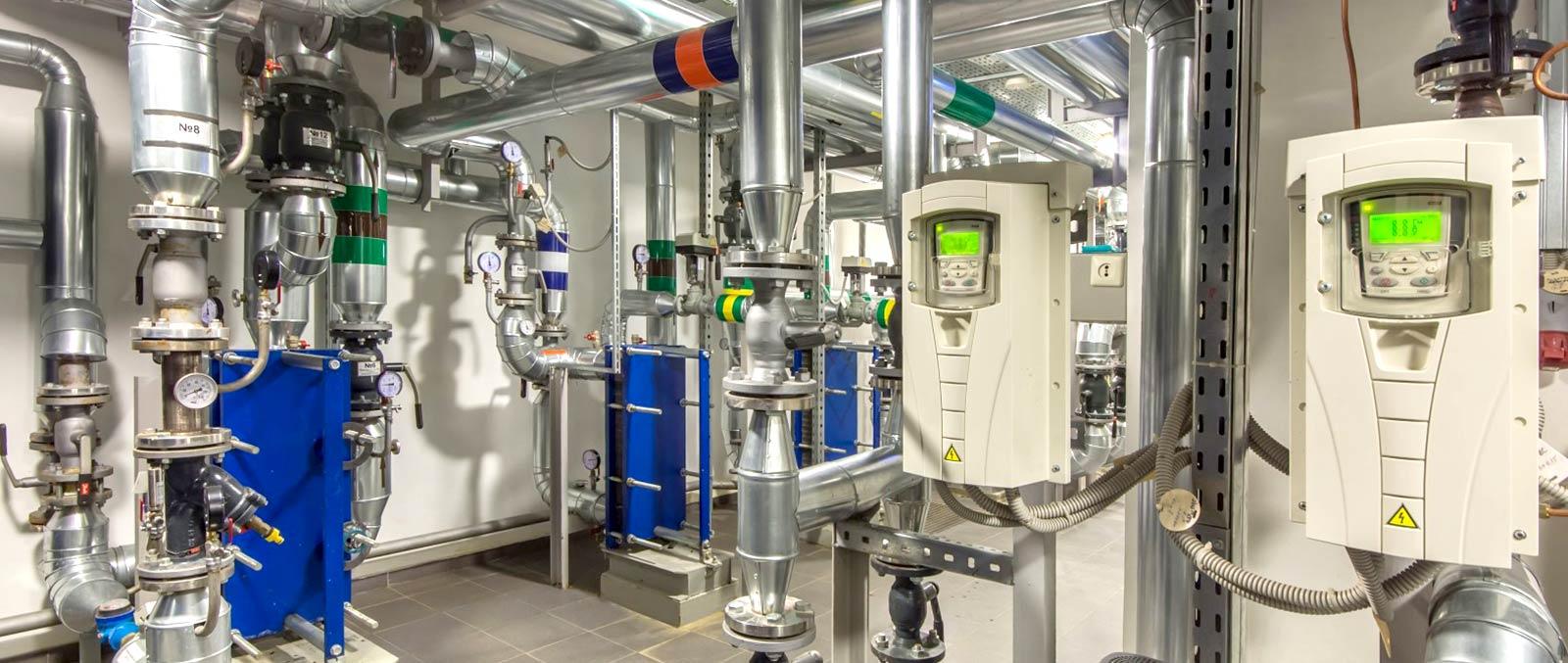
    Energy Recovery: Implementing heat recovery systems in plumbing can reclaim waste heat and reduce the energy needed for heating water. Additionally, these systems improve energy efficiency and contribute to cost savings.
    Picture background

    Energy Efficiency: Impact on Communities and Sustainability:-

    Behind every energy-efficient MEP system lies a profound human impact. By integrating BIM with energy efficiency initiatives, BIM ensures several key benefits:

    Cost Savings: By implementing efficient MEP systems, building owners and tenants can significantly reduce operational costs. For instance, these systems lead to lower energy bills. Additionally, they help in cutting down maintenance expenses. Consequently, the overall financial burden decreases..

    Environmental Protection: To lower greenhouse gas emissions and reduce the environmental footprint, it is essential to minimize energy consumption. Moreover, promoting sustainable building practices plays a crucial role in achieving these goals.

    Occupant Comfort: Enhancing indoor environmental quality, thermal comfort, and lighting levels can significantly improve occupant productivity, health, and well-being. Therefore, it is essential to focus on these aspects.
    Picture background

    Innovating for a Sustainable Future: Collaboration and Adaptation:-

    As global energy challenges intensify, BIM leads the way in developing innovative solutions that promote energy efficiency, resilience, and social equity:

    Advanced Simulation Tools: Using BIM's parametric modeling and performance analysis tools to predict energy performance, optimize system configurations, and validate compliance with energy codes and standards.

    Smart Building Technologies: Implementing IoT sensors and building automation systems integrated with BIM to monitor energy use in real time, adjust operational settings, and optimize building performance dynamically.

    Your Role in Promoting Energy Efficiency: Empowering Change:-

    Studying energy efficiency in MEP systems through BIM at BIM is more than acquiring technical skills; it's embracing a commitment to sustainability, innovation, and improving quality of life. Whether you aspire to design energy-efficient systems, advocate for sustainable policies, or educate communities about energy conservation, your journey begins here.

    Conclusion: Building a Sustainable Legacy Together:-

    In conclusion, energy efficiency in MEP systems through BIM exemplifies the convergence of technology, expertise, and human-centered design. By humanizing the science and understanding its profound impact on buildings and communities, we empower ourselves to create environments that are efficient, comfortable, and sustainable.

    Join us at BIM in embracing the challenge and privilege of advancing energy efficiency. Together, let's innovate, collaborate, and build a future where buildings not only meet functional needs but also contribute positively to our planet's health and resilience, ensuring a sustainable legacy for future generations.

    Read more on:-

    For more information about engineering, architecture, and the building & construction sector, go through the posts related to the same topic on the Pinnacle IIT Blogs page.

    Find out more accurately what we are going to take off in the course of applying leading new technologies and urban design at Pinnacle IIT.

    Subscribe to our YouTube channel and blog websites to obtain all the up-to-date information relating to construction matters.

  • Integrating MEP Engineering with BIM

    Integrating MEP Engineering with BIM

    Welcome to an enlightening journey into the realm of Mechanical, Electrical, and Plumbing (MEP) engineering, guided by the transformative capabilities of Building Information Modelling. Furthermore, in this blog, we will unravel the intricacies of MEP systems. As well as explore how BIM revolutionizes MEP engineering practices. Join us as we delve into the science behind MEP engineering and discover how BIM is shaping a more efficient built environment.

    Picture background

    Understanding MEP Engineering: The Backbone of Building Systems:-

    MEP engineering encompasses the design, installation, and maintenance of mechanical, electrical, and plumbing systems within buildings. These systems are essential for ensuring occupant comfort, safety, and functionality while optimizing energy efficiency and resource use. MEP engineers collaborates with Architects, Structural engineers, and contractors. For seamlessly integrate these systems into building designs, thereby enhancing overall performance and sustainability.

    The Role of BIM in Transforming MEP Engineering:-

    Building Information Modelling (BIM) revolutionizes MEP engineering by providing advanced digital tools for planning, designing, constructing, and managing building systems. Consequently, BIM enables multidimensional modeling, clash detection, energy analysis, and lifecycle management of MEP systems. Moreover, by integrating MEP designs into a cohesive digital environment, BIM empowers engineers to optimize performance, minimize costs, and ensure sustainability across projects of all scales.

    BIM's Approach: Excellence in Education and Technological Integration:-

    At BIM, MEP engineering takes center stage in our curriculum. Additionally, we emphasize a comprehensive approach that harmonizes theoretical knowledge with hands-on experience using BIM tools, enriching the learning experience. In our program, through interactive workshops, simulations, and real-world projects, BIM equips future MEP engineers. Moreover, empowering innovation, we aim to cater to modern building and community requirements effectively.

    The Journey of MEP Engineering: Systems and Innovations:-

    A realm brimming with diverse systems and innovations, significantly enhances building functionality, energy efficiency, and occupant comfort. Firstly, let's delve deeper into these vital aspects where BIM fundamentally transforms MEP engineering practices. Furthermore, let's explore how BIM becomes the cornerstone in advancing MEP engineering excellence. By leveraging BIM, engineers can seamlessly integrate various systems, thereby improving overall efficiency and performance. Moreover, this integration facilitates better coordination and collaboration among different stakeholders, ultimately leading to more successful project outcomes.

    1. Mechanical Systems:-

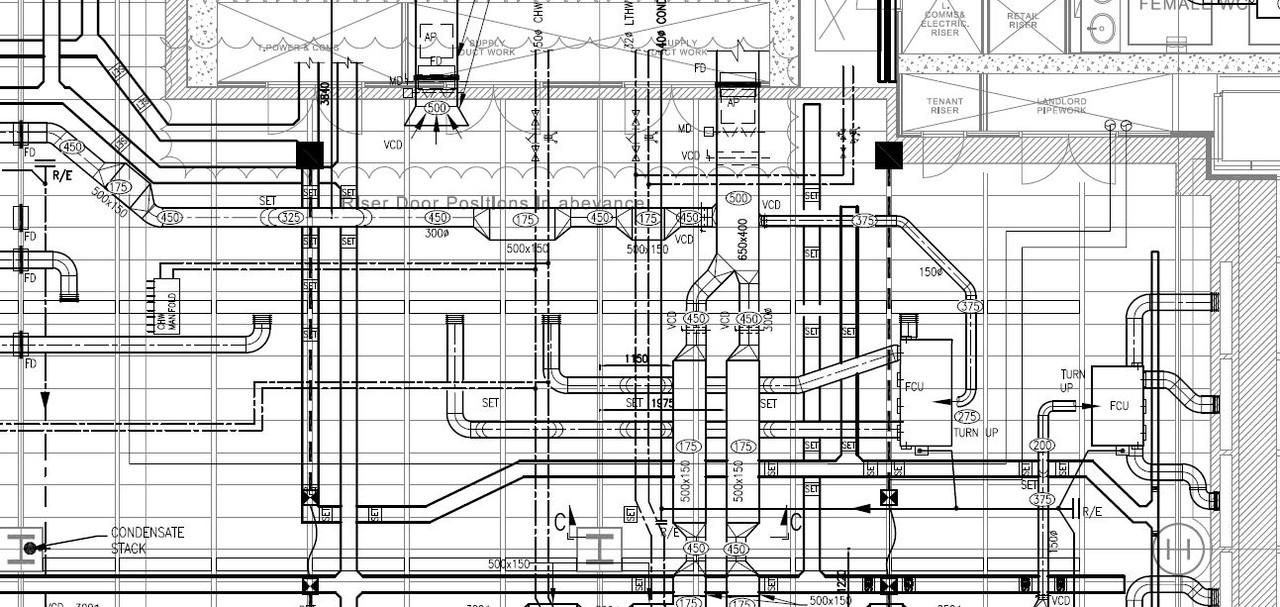
    HVAC (Heating, Ventilation, and Air Conditioning): To effectively design energy-efficient HVAC systems, leveraging BIM's simulation tools becomes crucial. By doing so, you can optimize airflow, temperature control, and indoor air quality. Consequently, this not only enhances energy efficiency but also ensures a healthier and more comfortable indoor environment. Moreover, the use of BIM in HVAC design facilitates better planning and coordination, ultimately leading to reduced operational costs and improved system performance. Therefore, integrating BIM's simulation tools into the design process is essential for achieving optimal results.

    Energy Modeling: Conducting energy analysis to evaluate HVAC system performance and identify opportunities for energy savings and sustainability improvements.

    Picture background

    2. Electrical Systems:-

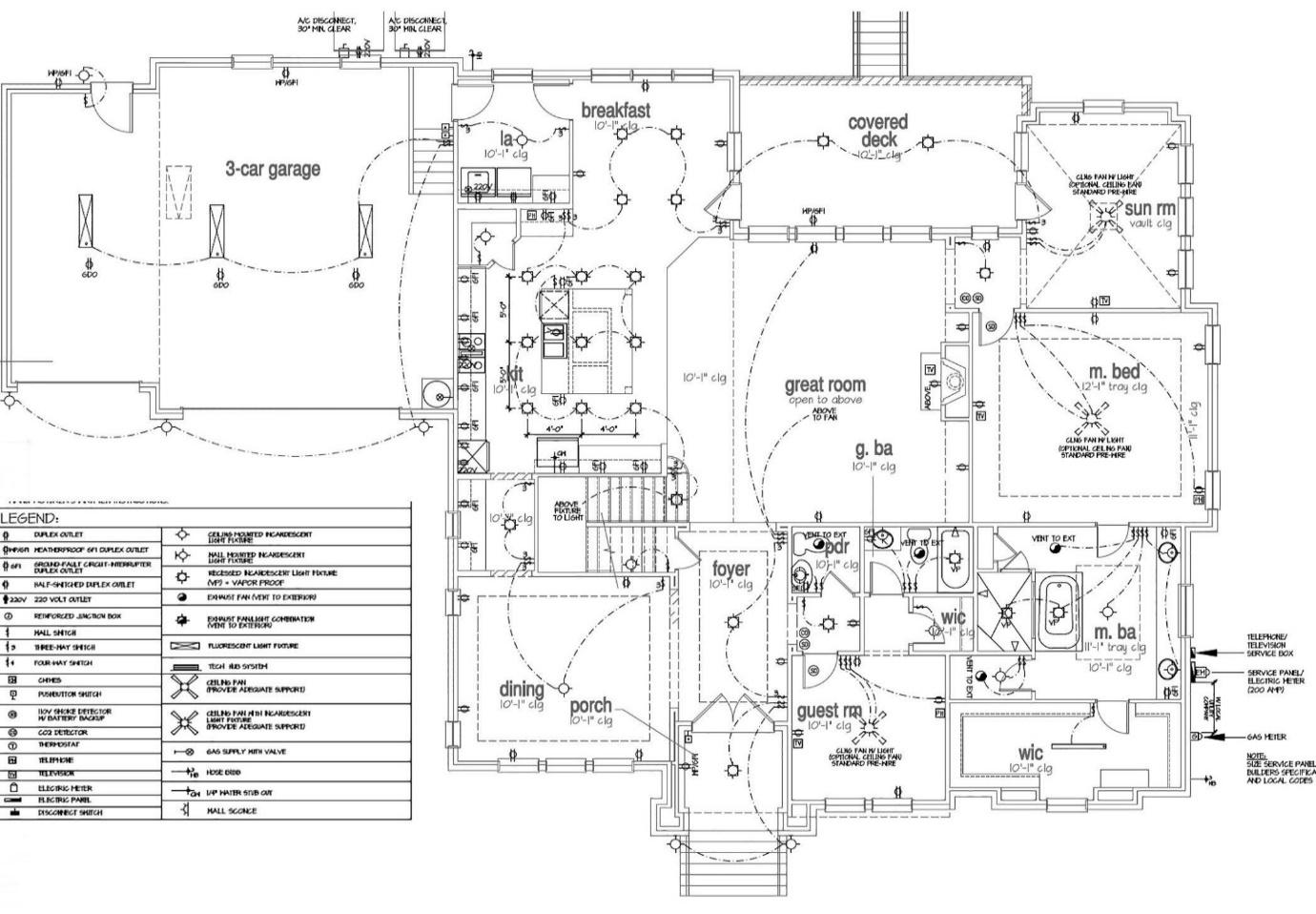
    Lighting Design: Using BIM to model lighting layouts, analyze lighting levels, and integrate daylighting strategies to minimize energy consumption and enhance visual comfort.

    Power Distribution: Designing electrical distribution systems, including circuits, panels, and transformers, to ensure reliability, safety, and compliance with electrical codes

    Picture background

    3. Plumbing and Fire Protection Systems:-

    Plumbing Design: Modeling water supply, drainage, and sewage systems using BIM to optimize pipe routing, size selection, and hydraulic calculations for efficient water management.

    Fire Protection: Integrating fire suppression systems, such as sprinklers and alarms, into building designs to enhance safety and comply with fire codes and regulations.

    Picture background

    MEP Engineering: Impact on Comfort and Sustainability:-

    Behind every MEP system lies a profound human impact. By integrating BIM with MEP engineering practices, BIM ensures:

    Occupant Comfort: Creating environments that prioritize thermal comfort, indoor air quality, and lighting levels to enhance productivity and well-being.

    Energy Efficiency: Designing systems that reduce energy consumption, lower operational costs, and minimize environmental footprint through sustainable practices and technologies.

    Safety and Reliability: Implementing robust systems that ensure safety, resilience, and operational reliability, protecting occupants and assets in the event of emergencies or disruptions.

    Innovating for a Sustainable Future: Collaboration and Adaptation:-

    As buildings evolve to meet increasingly stringent performance standards and sustainability goals, BIM leads the way in fostering innovation and collaboration within MEP engineering:

    Integrated Project Delivery (IPD): Collaborating with architects, contractors, and consultants to streamline workflows, optimize resource use, and enhance project outcomes.

    Building Performance Analysis: Using BIM's analytical tools to predict system behavior, optimize design parameters, and validate performance targets, ensuring compliance with regulatory requirements and client expectations.

    Lifecycle Management: Leveraging BIM's capabilities for ongoing monitoring, maintenance, and retrofitting of MEP systems to extend lifespan, improve efficiency, and adapt to changing needs over time.

    Your Role in MEP Engineering: Empowering Change:-

    Studying MEP engineering through BIM at BIM is more than acquiring technical skills; it's embracing a commitment to innovation, sustainability, and enhancing quality of life. Whether you aspire to design cutting-edge systems, optimize energy performance, or contribute to resilient building solutions, your journey begins here.

    Conclusion: Building Better Together:-

    In conclusion, MEP engineering through BIM exemplifies the convergence of technology, expertise, and human-centered design. By humanizing the science and understanding its profound impact on buildings and communities, we empower ourselves to create environments that are efficient, comfortable, and sustainable.

    Join us at BIM in embracing the challenge and privilege of MEP engineering. Together, let's innovate, collaborate, and build a future where buildings not only meet functional needs but also enrich the lives of occupants and contribute positively to our planet's health and resilience.

    Read more on:-

    For more information about engineering, architecture, and the building & construction sector, go through the posts related to the same topic on the Pinnacle IIT Blogs page.

    Find out more accurately what we are going to take off in the course of applying leading new technologies and urban design at Pinnacle IIT.

    Subscribe to our YouTube channel and blog websites to obtain all the up-to-date information relating to construction matters.
  • What Is Wastewater Management in AEC

    What Is Wastewater Management in AEC

    Welcome to a transformative journey into the world of wastewater treatment and management, guided by the expertise and dedication of the Bureau of Environmental Engineering. In this blog, we will unravel the complexities of wastewater. Additionally, we will explore innovative treatment technologies and highlight the profound impact on communities and the environment. Moreover, we will humanize the science behind wastewater management and discover how BIM is at the forefront of ensuring a sustainable future for all.

    The Vital Importance of Wastewater Management:-

    Wastewater management is crucial not only for protecting public health but also for preserving water resources and safeguarding the environment. Wastewater management involves collecting, treating, and disposing of wastewater generated from households, industries, and agriculture. Effective management not only prevents pollution but also promotes water reuse and resource recovery, contributing to a circular economy and sustainable development.

    Understanding the Wastewater Challenge: From Source to Solution:-

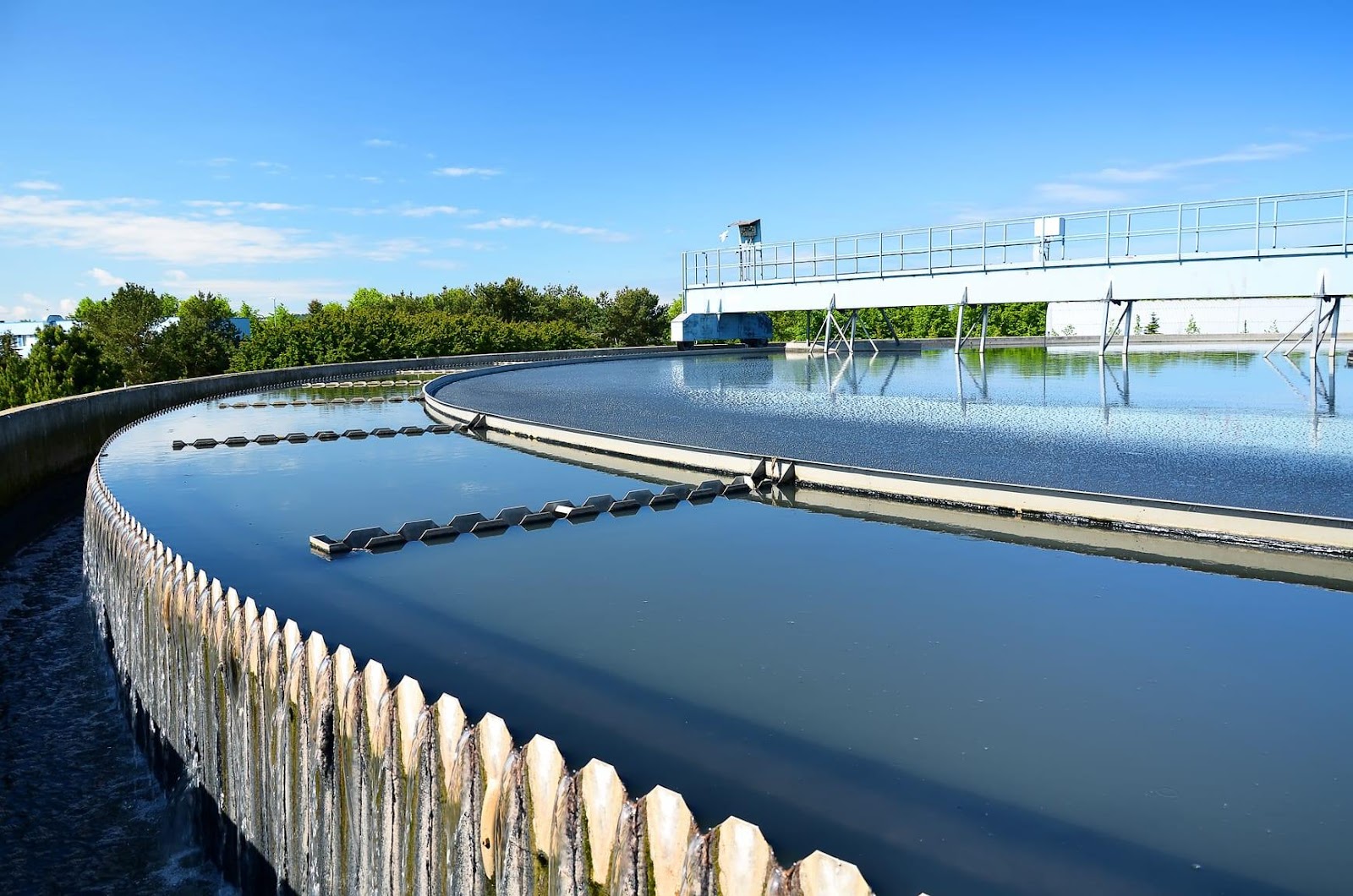
    Wastewater is a diverse mixture of water and various contaminants, such as organic matter, nutrients, pathogens, and pollutants. Consequently, managing this complex mix demands advanced technologies and strategic planning. This ensures compliance with environmental regulations while safeguarding receiving water bodies.

    Picture background

    BIM's Approach: Excellence in Education and Innovation:-

    At BIM, wastewater treatment and management are taught with a focus on practical application and innovation. Consequently, our curriculum integrates scientific principles, engineering practices, and real-world challenges to prepare students for careers in environmental engineering. Moreover, through hands-on experience and collaboration with industry experts, BIM graduates are equipped to design and implement sustainable solutions that address the evolving needs of wastewater management effectively.

    The Journey of Wastewater Treatment: Technologies and Processes:-

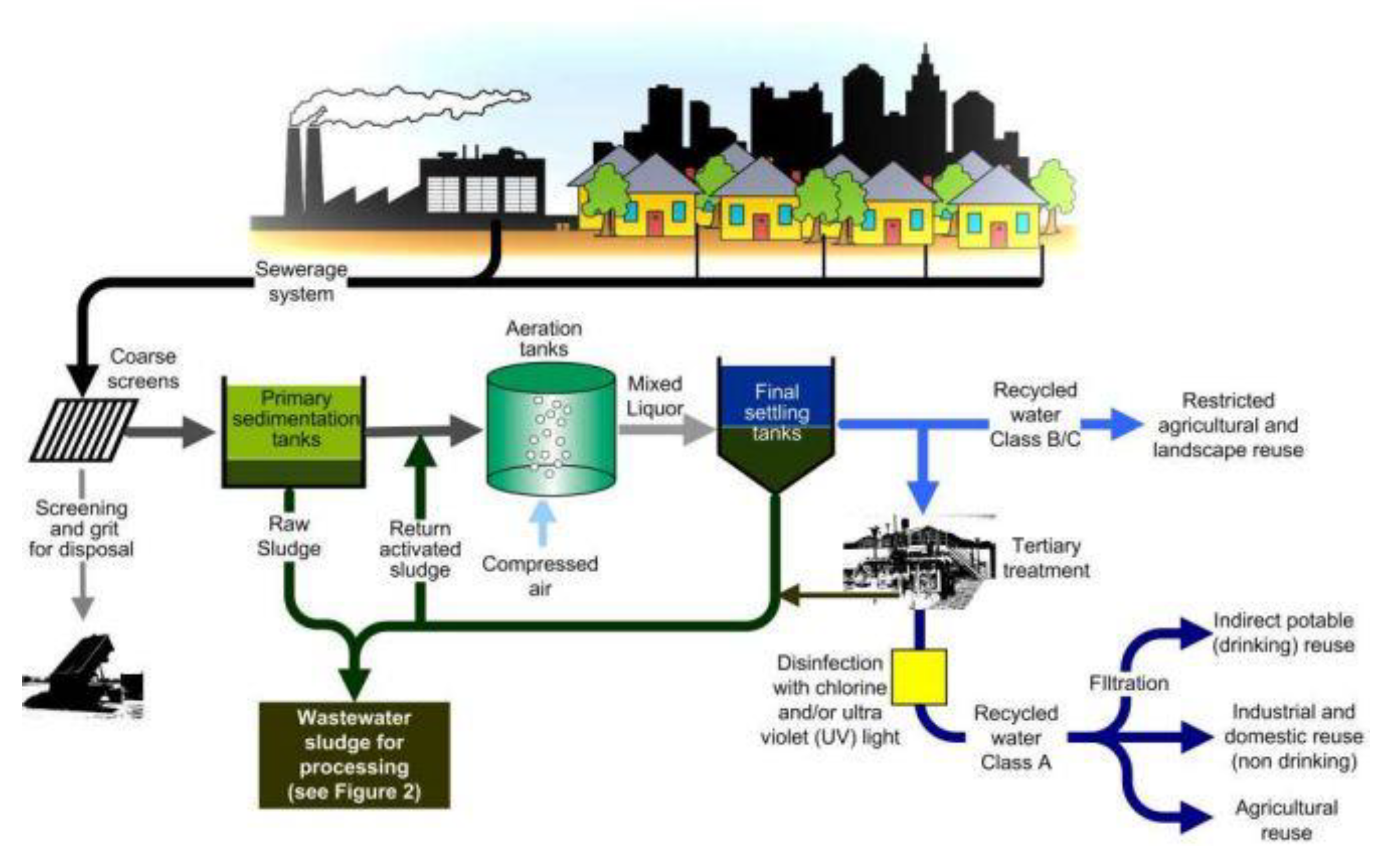
    Wastewater treatment involves several stages, each designed to remove specific contaminants and ensure the treated water meets regulatory standards before being discharged or reused. Here are the key processes employed in modern wastewater treatment facilities:

    Picture background

    1. Preliminary Treatment:-

    Screening: Removes large debris such as plastics and rags.

    Grit Removal: Removes sand, gravel, and other heavy particles.

    2. Primary Treatment:-

    Sedimentation: Allows suspended solids to settle out of the wastewater, forming sludge.

    Filtration: Further removes floating materials and fine particles.

    3. Secondary Treatment:-

    Biological Treatment: Uses microorganisms to break down organic matter in the wastewater.

    Aeration: Provides oxygen to support microbial growth and enhance treatment efficiency.

    4. Tertiary Treatment:-

    Filtration and Disinfection: Removes remaining contaminants and pathogens through processes like sand filtration and UV disinfection.

    Nutrient Removal: Reduces nitrogen and phosphorus levels to prevent eutrophication in receiving waters.

    Impact: Health, Environment, and Community Well-being:-

    Behind every wastewater treatment plant lies a profound human impact. Clean water isn't just a commodity; it's a fundamental right that supports public health, economic development, and environmental sustainability:

    Public Health: Treating wastewater prevents the spread of waterborne diseases and protects community health.

    Environmental Protection: Removing pollutants from wastewater not only preserves aquatic ecosystems but also enhances biodiversity.

    Community Well-being: Reliable wastewater management supports industries, agriculture, and tourism, thereby fostering economic growth and resilience.

    Innovating for Sustainability: Resource Recovery and Beyond:-

    As environmental challenges evolve, BIM leads the way in developing innovative solutions that promote sustainability and resource recovery:

    Biogas Generation: Harnessing methane produced during wastewater treatment for energy production.

    Nutrient Recovery: Extracting valuable nutrients such as phosphorus and nitrogen for agricultural use.

    Water Reuse: Treating wastewater to meet quality standards for non-potable uses, such as irrigation and industrial processes, is essential for resource conservation and environmental protection.

    Your Role in Wastewater Management: Empowering Change:-

    Choosing to study wastewater treatment and management at BIM is more than pursuing a career—it's embracing a mission to protect public health and the environment. Whether you aspire to innovate new technologies, advocate for sustainable policies, or educate communities about wastewater stewardship, your journey begins here.

    Conclusion: Embracing Responsibility for a Sustainable Future:-

    In conclusion, wastewater treatment and management by BIM exemplifies the intersection of science, compassion, and innovation. By humanizing the technology and understanding its profound impact on communities and ecosystems, we empower ourselves to make informed decisions. Consequently, we can drive positive change and create a sustainable future.

    Join us at BIM in embracing the challenge and privilege of wastewater management. Together, let's build a future where clean, safe, and sustainable water is accessible to all. In this way, every drop contributes to enhancing lives and preserving our planet's precious resources.

    Read more on:-

    For more information about engineering, architecture, and the building & construction sector, go through the posts related to the same topic on the Pinnacle IIT Blogs page.

    Find out more accurately what we are going to take off in the course of applying leading new technologies and urban design at Pinnacle IIT.

    Subscribe to our YouTube channel and blog websites to obtain all the up-to-date information relating to construction matters.
  • Breathing Easy: Air Quality Management with Heart by BIM

    Breathing Easy: Air Quality Management with Heart by BIM

    Welcome to a deep dive into the realm of air quality management, where you will be guided by the Bureau of Environmental Engineering. In this blog, we'll explore the critical importance of clean air, the innovative strategies employed to protect it, and the profound impact on human health and well-being. Firstly, we will discuss the necessity of maintaining clean air for a healthy environment. Next, we will delve into the cutting-edge techniques and strategies used to safeguard our air quality. Moreover, we will examine how these efforts contribute to the overall health of communities. Finally, join us as we humanize the science behind air quality management and discover how BIM is leading the charge in creating breathable communities for all.

    The Essence of Air Quality Management: Beyond the Basics:-

    Air quality management is about more than just measuring pollutants; it's about safeguarding public health, preserving ecosystems, and ensuring a sustainable future. At its core, it addresses the complex interactions between emissions, atmospheric conditions, and human activities that influence the air we breathe.

    Understanding Air Pollution: Challenges and Solutions:-

    Air pollution poses significant challenges globally, affecting urban and rural areas alike. For instance, sources range from industrial emissions and transportation exhaust to household activities and natural phenomena. In response, BIM tackles these challenges through comprehensive monitoring, innovative technologies, and proactive policy measures. Consequently, these efforts aim at reducing emissions and improving air quality standards.

    BIM's Commitment: Education and Innovation:-

    At BIM, air quality management is a cornerstone of our environmental engineering curriculum. We emphasize a multidisciplinary approach that blends scientific knowledge with practical skills in monitoring, modeling, and mitigating air pollution. Through hands-on projects and partnerships with industry leaders, BIM prepares students to tackle real-world challenges and drive meaningful change.

    The Journey of Air Quality Management: Technologies and Strategies:-

    Effective air quality management involves a range of technologies and strategies designed to monitor, control, and reduce pollutants in the atmosphere. Here are some key approaches employed by BIM and environmental engineers worldwide:

    1. Pollution Monitoring and Measurement:-

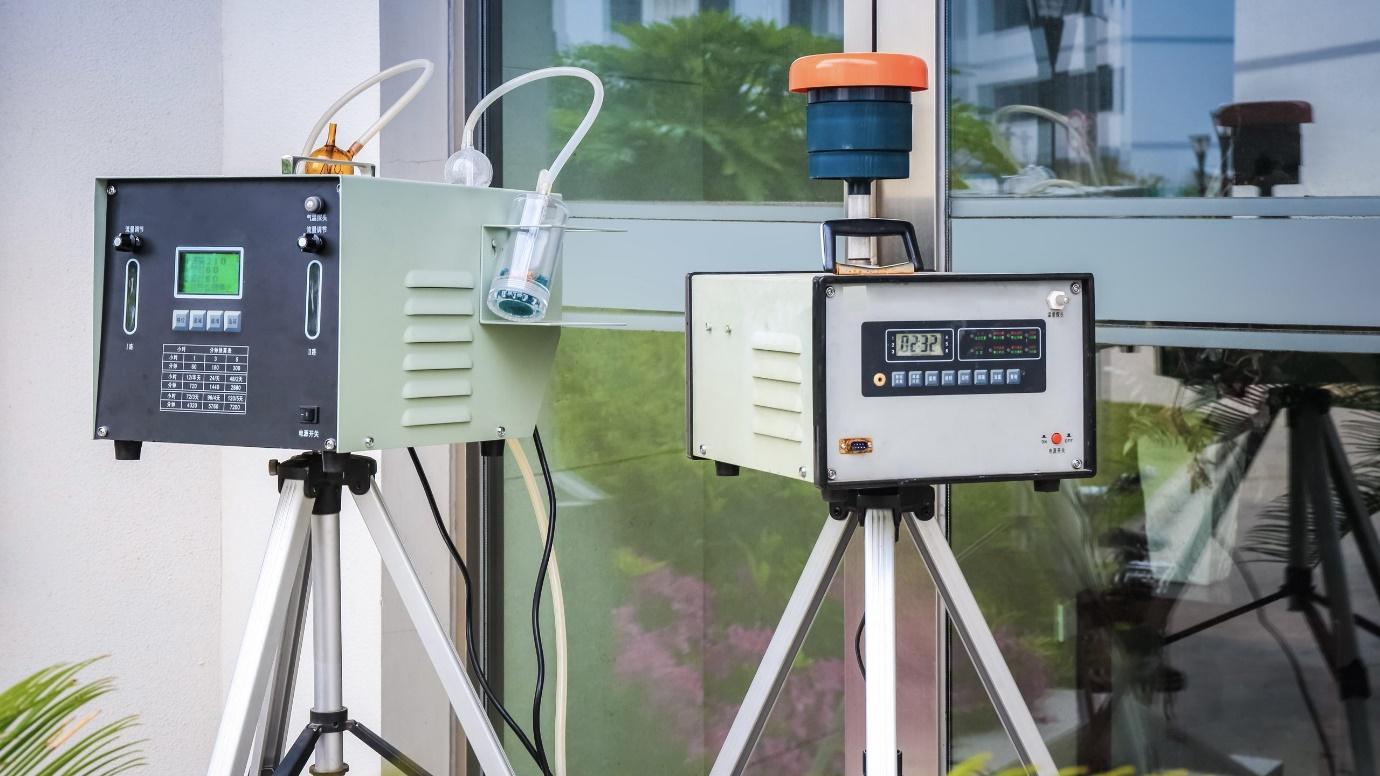
    Ambient Air Quality Monitoring: Deploying networks of sensors to measure pollutant concentrations in urban and industrial areas.

    Emission Inventories: Cataloging sources of pollution to prioritize mitigation efforts and regulatory compliance.

    Picture background

    2. Pollution Control Technologies:-

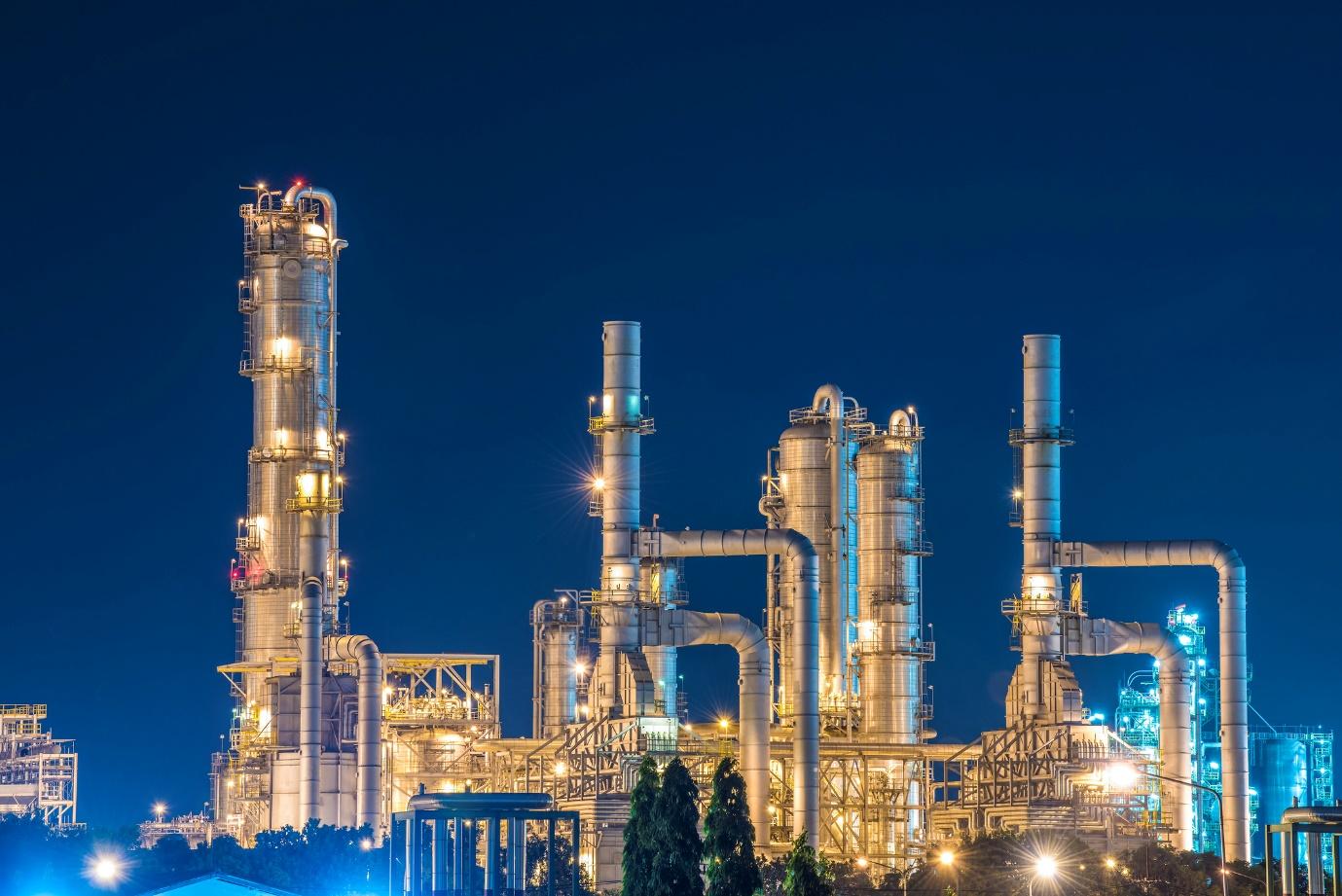
    Particulate Matter Control: Utilizing electrostatic precipitators, fabric filters, and scrubbers to capture airborne particles from industrial emissions.

    Emission Reduction Devices: Installing catalytic converters and selective catalytic reduction systems in vehicles and power plants to minimize nitrogen oxide emissions.

    Picture background

    3. Regulatory Measures and Policy Implementation:-

    Air Quality Standards: Establishing legal limits for pollutants to protect public health and the environment.

    Emission Trading Schemes: Encouraging industries to reduce emissions through market-based incentives and penalties.

    Picture background

    Impact: Health, Equity, and Community Empowerment:-

    Behind every air quality improvement initiative lies a profound human impact. Clean air isn't just a luxury; it's a fundamental right that affects everyone, regardless of age, income, or background:

    Public Health: Improving air quality not only reduces the risk of respiratory diseases but also decreases the incidence of cardiovascular disorders. Moreover, it helps prevent premature deaths associated with air pollution.

    Environmental Justice: Addressing disparities in exposure to air pollutants among vulnerable populations, such as low-income communities and minorities, is crucial. These groups often reside in more polluted areas and face higher health risks, especially children and the elderly.

    Community Empowerment: Engaging citizens in monitoring efforts and policy decisions is crucial to ensure transparency and accountability in air quality management. Furthermore, involving the public can lead to more effective and sustainable solutions. Therefore, it is important to create opportunities for citizen participation. Additionally, collaboration between government agencies and community groups can enhance the overall effectiveness of air quality initiatives. Consequently, this approach can help build trust and foster a sense of shared responsibility.

    Innovating for a Sustainable Future: Technology and Collaboration:-

    As environmental challenges evolve, so too do the strategies for managing air quality. BIM leads the way in developing innovative solutions that promote sustainability, resilience, and equitable access to clean air:

    Green Technologies: Advancing renewable energy sources such as solar and wind power to reduce reliance on fossil fuels and curb greenhouse gas emissions.

    Urban Planning and Design: By integrating green spaces, implementing pedestrian-friendly infrastructure, and establishing efficient public transportation, furthermore we can mitigate vehicle emissions and significantly enhance urban air quality

    Data-driven Decision Making: Harnessing big data analytics and artificial intelligence enables us to forecast air quality trends effectively. Additionally, it helps optimize pollution control strategies and inform policy development.

    Your Role in Air Quality Management: Taking Action:-

    Choosing to study air quality management at BIM is not just a career choice; rather, it's a commitment to public health, environmental stewardship, and social equity.. Whether you aspire to innovate new technologies, advocate for policy reform, or educate communities about air quality awareness, your journey begins here.

    Conclusion: Empowering Change for Cleaner Air:-

    In conclusion, air quality management by BIM exemplifies the intersection of science, compassion, and innovation. By humanizing the technology and understanding its profound impact on human health and communities, we empower ourselves to take meaningful action. Consequently, we can drive positive change.

    Join us at BIM in embracing the challenge and privilege of air quality management. Together, fostering a future where every breath is clean and safe Moreover, air quality standards will protect the health and well-being of all individuals, ultimately paving the way for a sustainable and equitable world.

    Read more on:-

    For more information about engineering, architecture, and the building & construction sector, go through the posts related to the same topic on the Pinnacle IIT Blogs page.

    Find out more accurately what we are going to take off in the course of applying leading new technologies and urban design at Pinnacle IIT.

    Subscribe to our YouTube channel and blog websites to obtain all the up-to-date information relating to construction matters.
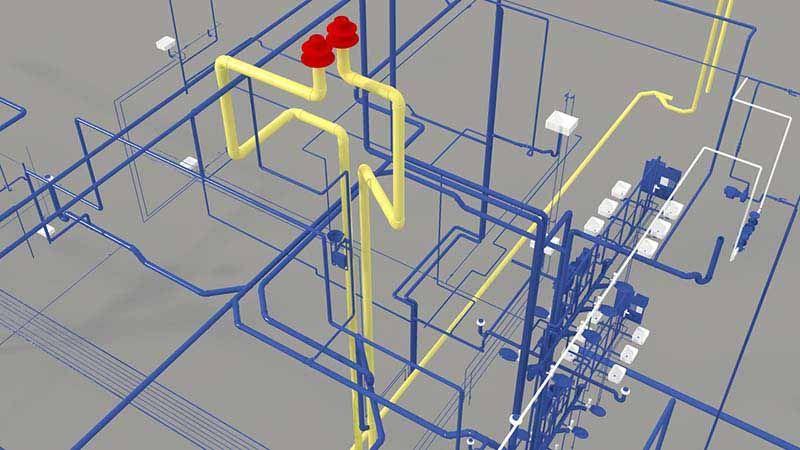
  • BIM for Solid Waste Management Guide

    BIM for Solid Waste Management Guide

    Explore solid waste management with the Bureau of Environmental Engineering's expertise and dedication. Furthermore, their innovative approaches ensure sustainable solutions. We will first discuss managing solid waste, then explore innovative strategies used by BIM, and finally highlight their significant impact on communities and the environment. Join us to humanize the science behind waste management. Furthermore, discover how BIM is leading the way in creating cleaner, healthier, and more sustainable communities for all. Additionally, this approach can help us better understand the complexities of waste management and its impact on our environment. Moreover, by embracing innovative technologies like BIM, we can pave the way for a more sustainable future.

    Understanding the Importance of Solid Waste Management:-

    Solid waste management is a critical aspect of environmental stewardship and public health. For instance, it involves the collection, transportation, processing, recycling, and disposal of waste generated by households, businesses, industries, and institutions. Furthermore, it's crucial to manage effectively to reduce environmental impact, conserve resources, and minimize public health risks from improper waste handling. Additionally, effective solid waste management is essential for maintaining a clean and sustainable environment.

    The Challenges of Solid Waste: From Quantity to Quality:-

    Managing solid waste presents multifaceted challenges, furthermore ranging from the sheer volume of waste generated daily to the diverse composition of materials and the need for sustainable disposal solution. BIM effectively addresses these challenges by conducting comprehensive waste audits. Additionally, they employ advanced sorting technologies and, moreover, implement innovative recycling programs designed to maximize resource recovery while minimizing landfill waste.

    BIM's Approach: Excellence in Education and Innovation:-

    At BIM, solid waste management is taught with a focus on practical application and innovation. Moreover, our curriculum integrates scientific principles, engineering practices, and community engagement to equip students with the skills needed to develop sustainable waste management strategies. Through hands-on projects and partnerships with industry leaders, BIM effectively prepares future environmental engineers to address the complex challenges of waste management.

    The Journey of Solid Waste Management: Strategies and Technologies:-

    Effective solid waste management involves a series of integrated strategies and technologies. Firstly, these strategies aim at reducing waste generation. Additionally, they focus on maximizing recycling and reuse. Lastly, they ensure safe disposal. Here are key components of BIM's approach to solid waste management:

    1. Waste Reduction and Source Separation:-

    Education and Awareness: Promoting waste reduction behaviors, such as composting organic waste and reducing single-use plastics.

    Source Separation Programs: Encouraging households and businesses to separate recyclables, compostable, and hazardous waste at the source.

    2. Recycling and Resource Recovery:-

    Material Recovery Facilities (MRFs): Utilizing advanced sorting technologies, such as optical scanners and magnetic separators, to segregate recyclable materials from mixed waste streams.

    Composting Facilities: Processing organic waste into nutrient-rich compost for use in agriculture and landscaping.

    Picture background

    3. Waste-to-Energy and Sustainable Disposal:-

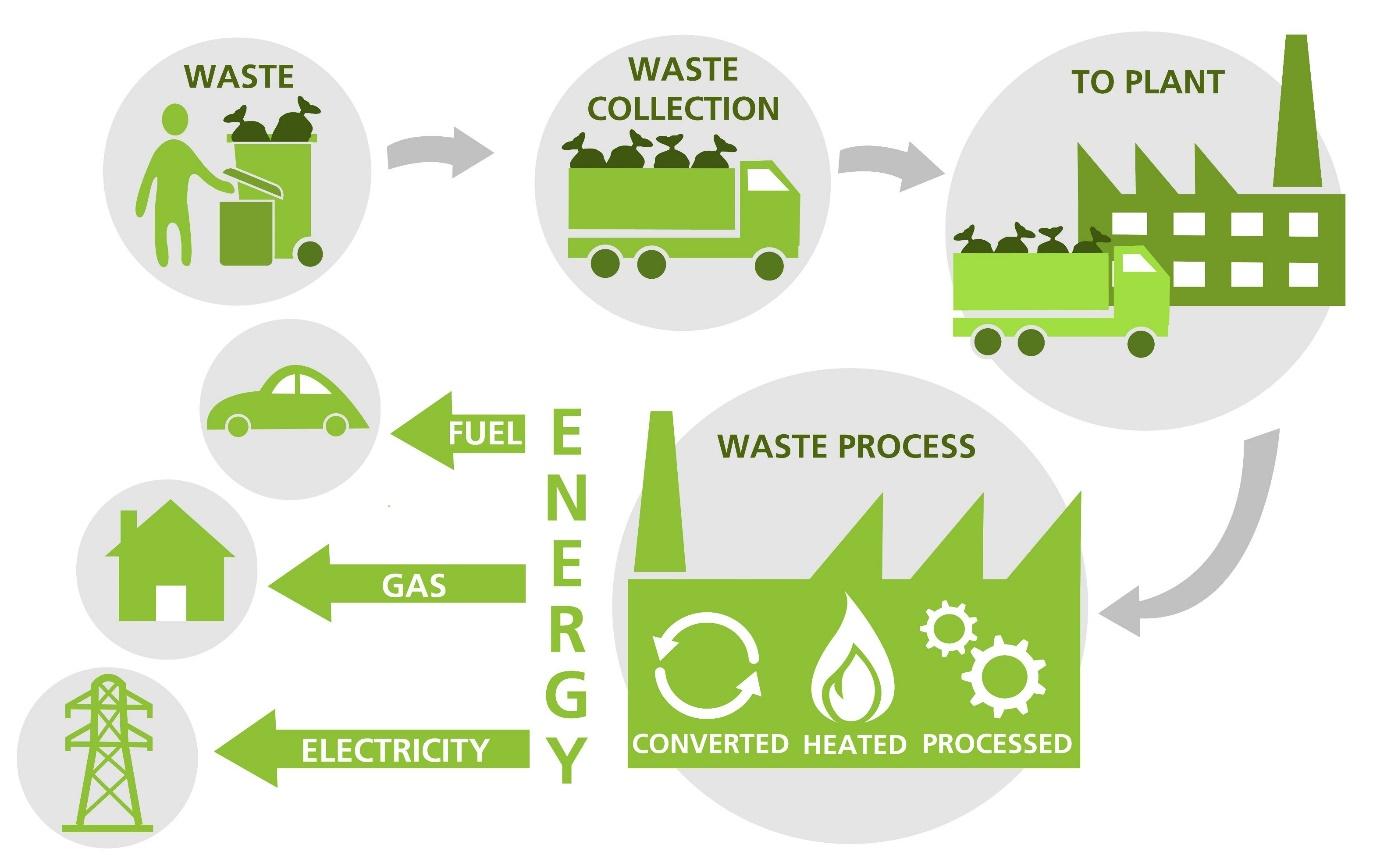
    Incineration and Gasification: Converting non-recyclable waste into energy through controlled combustion or thermal treatment processes.

    Landfill Management: Implementing best practices for landfill design, operation, and closure to minimize environmental impact and methane emissions.

    Picture background

    Impact: Health, Equity, and Community Well-being:-

    Behind every waste management initiative lies a profound human impact. Clean communities and sustainable practices contribute to:

    Public Health: Proper waste management reduces the spread of diseases, pests, and contamination associated with improper waste disposal.

    Environmental Justice: Addressing disparities in waste management infrastructure and exposure to environmental hazards among vulnerable populations.

    Community Well-being: Creating job opportunities in the recycling and waste management sectors while enhancing the aesthetic and economic value of neighborhoods.

    Innovating for Sustainability: Technology and Collaboration:-

    As environmental challenges evolve, so do the strategies for managing solid waste. BIM leads the way in developing innovative solutions that promote sustainability, resilience, and community empowerment:

    Circular Economy Initiatives: Promoting product design for recyclability and developing closed-loop systems to minimize waste generation.

    Smart Waste Management Systems: Deploying IoT sensors and data analytics to optimize waste collection routes, reduce operational costs, and improve service efficiency.

    Community Engagement and Partnerships: Collaborating with local stakeholders, NGOs, and industry partners to foster waste reduction behaviors and promote sustainable practices.

    Your Role in Solid Waste Management: Empowering Change:-

    Choosing to study solid waste management at BIM is not just pursuing a career; it's embracing a mission to protect the environment, promote public health, and build resilient communities. Whether you aspire to innovate new technologies, advocate for policy reform, or educate communities about waste reduction, your journey starts here.

    Conclusion: Empowering Communities through Responsible Waste Management:-

    In conclusion, solid waste management by BIM embodies both the science and the compassion of environmental engineering. By humanizing the technology and understanding its profound impact on communities and ecosystems, we empower ourselves to take meaningful action and drive positive change.

    Join us at BIM in embracing the challenge and privilege of solid waste management. Together, let's build a future where waste is viewed not as a problem but as a valuable resource where sustainable practices and community engagement lead to cleaner environments and healthier lives for all.

    Read more on:-

    For more information about engineering, architecture, and the building & construction sector, go through the posts related to the same topic on the Pinnacle IIT Blogs page.

    Find out more accurately what we are going to take off in the course of applying leading new technologies and urban design at Pinnacle IIT.

    Subscribe to our YouTube channel and blog websites to obtain all the up-to-date information relating to construction matters.

  • What Is EIA And How BIM Is Integrated With It In [year]

    What Is EIA And How BIM Is Integrated With It In [year]

    Furthermore, this blog will delve into the symbiotic relationship between EIA and BIM, showcasing how this dynamic duo can revolutionize the way we assess and mitigate environmental impacts. Ultimately, by blending technological innovation with a compassionate perspective, we aim to empower communities, protect ecosystems, and pave the way for a more sustainable future. Additionally, this journey will uncover the human stories behind EIA, highlighting how BIM can amplify the voices of those affected and foster inclusive decision-making processes. Importantly, we will explore how this holistic approach can create a ripple effect of positive change, benefiting both the environment and the people who call it home.

    Understanding Environmental Impact Assessment (EIA):-

    Environmental Impact Assessment (EIA) is a crucial process that evaluates the potential environmental consequences of proposed projects or developments before they are carried out. Its primary goal is to ensure that decisions regarding land use, infrastructure development, and resource extraction are made with full consideration of their environmental implications. EIA helps identify, predict, and mitigate adverse effects to protect ecosystems, biodiversity, and human health.

    The Role of BIM in Enhancing EIA:-

    Building Information Modelling (BIM) revolutionizes EIA by providing comprehensive digital representations of proposed projects. Moreover, BIM enables multidimensional modeling and simulation, facilitating a detailed analysis of environmental impacts throughout the project lifecycle. From the initial design stages to construction and operation, BIM enhances decision-making by integrating environmental data. Consequently, this reduces risks and optimizes sustainability outcomes effectively.

    BIM's Approach: Excellence in Education and Technology Integration:-

    At BIM, EIA is not just a regulatory requirement but a cornerstone of responsible engineering. Our curriculum passionately emphasizes the seamless integration of BIM technologies with environmental sciences, empowering students with the essential skills to conduct thorough EIAs. Furthermore, BIM empowers environmental engineers to harmonize development and conservation, fostering a culture of compassionate, data-driven, and collaborative EIA practices.

    The Journey of Environmental Impact Assessment: Processes and Benefits:-

    Effective EIA involves a structured process that ensures transparency, public participation, and informed decision-making. Moreover, by leveraging BIM, the EIA process can be streamlined, data-driven, and more collaborative, ultimately leading to better environmental outcomes:

    1. Scoping and Baseline Studies:-

    Data Collection: Furthermore, gathering comprehensive data on environmental conditions, such as air quality, water resources, biodiversity, and cultural heritage, is a crucial step in the EIA process.

    Stakeholder Engagement: Furthermore, by consulting with local communities, stakeholders, and experts, we can gain a deeper understanding of their concerns and seamlessly incorporate their diverse perspectives into the assessment process.

    Picture background

    2. Impact Prediction and Assessment:-

    Modeling and Simulation: Furthermore, by leveraging BIM technology, you can simulate project scenarios and vividly visualize the potential impacts on landscapes, habitats, and natural resources, empowering a more compassionate and innovative approach to environmental impact assessments.

    Risk Assessment: Furthermore, by evaluating the risks associated with pollution, habitat loss, and noise, we can prioritize compassionate mitigation measures.

    Picture background

    3. Mitigation and Monitoring Plans:-

    Mitigation Strategies: Designing measures to minimize adverse impacts, such as green infrastructure, pollution control technologies, and habitat restoration.

    Monitoring Programs: Establishing protocols to monitor project impacts during construction, operation, and post-closure phases to ensure compliance with environmental standards.

    Picture background

    Impact: Communities, Health, and Future Generations:-

    Behind every EIA lies a profound human impact. By integrating BIM with EIA processes, BIM ensures:

    Community Well-being: Protecting communities from harmful effects of development, such as air and water pollution, and preserving cultural heritage sites.

    Health Protection: Safeguarding public health by preventing exposure to hazardous substances and promoting a safe living environment.

    Future Sustainability: Promoting sustainable development practices that balance economic growth with environmental conservation for future generations.

    Innovating for Sustainable Development: Collaboration and Technology:-

    As environmental challenges evolve, BIM pioneers innovative approaches to EIA that promote sustainability, resilience, and social equity:

    Virtual Reality (VR) and Augmented Reality (AR): Enhancing public engagement and decision-making through immersive experiences that visualize project impacts.

    Big Data Analytics: Leveraging large datasets to predict environmental trends, optimize mitigation strategies, and inform adaptive management practices.

    Interdisciplinary Collaboration: Partnering with Architects, urban planners, policymakers, and community stakeholders to integrate environmental considerations into project design and implementation.

    Your Role in Environmental Impact Assessment: Empowering Change:-

    Studying EIA through BIM at BIM is more than acquiring technical skills; it's embracing a commitment to environmental stewardship and community resilience. Whether you aspire to innovate new technologies, advocate for sustainable policies, or engage communities in environmental decision-making, your journey begins here.

    Conclusion: Building a Sustainable Future Together:-

    In conclusion, Environmental Impact Assessment through BIM exemplifies the integration of technology, empathy, and foresight. By humanizing the science and understanding its profound impact on communities and ecosystems, we empower ourselves to make informed decisions and drive positive change.

    Read more on:-

    For more information about engineering, architecture, and the building & construction sector, go through the posts related to the same topic on the Pinnacle IIT Blogs page.

    Find out more accurately what we are going to take off in the course of applying leading new technologies and urban design at Pinnacle IIT.

    Subscribe to our YouTube channel and blog websites to obtain all the up-to-date information relating to construction matters.