Author: Harsheel Purohit

  • Ways How BIM Transforms Supplier Quality Management in Construction

    Ways How BIM Transforms Supplier Quality Management in Construction

    Supplier Quality Management (SQM) is a critical aspect of construction project management. Ensuring that materials, components, and services provided by external suppliers meet defined quality standards and specifications. In an industry where project success hinges on the reliability and consistency of supplied resources. Effective SQM practices are essential for maintaining construction schedules, controlling costs, and delivering high-quality outcomes. This blog highlights how Supplier Quality Management in construction, combined with BIM, improves collaboration, efficiency, and human impact in supply chains.

    Understanding Supplier Quality Management (SQM) in Construction:-

    Supplier Quality Management ensures suppliers consistently deliver products and services that meet or exceed project requirements through effective processes and strategies. Key components of SQM include:

    Supplier Selection: Identifying and selecting suppliers based on their capabilities, reliability, and adherence to quality standards.

    Quality Assurance: Implementing measures to verify and validate the quality of incoming materials, components, and services.

    Performance Monitoring: Regularly track supplier performance with key metrics and KPIs to ensure they meet quality, schedule, and cost expectations effectively.

    Continuous Improvement: Collaborating with suppliers to identify opportunities for process optimization, quality enhancement, and cost efficiency.

    Picture background

    In construction, effective SQM reduces risks and defects, ensuring projects stay on time, within budget, and meet all milestones.

    Integrating Building Information Modeling (BIM) with Supplier Quality Management:-

    Building Information Modeling (BIM) transforms construction by offering a collaborative digital platform for planning, designing, building, and maintaining projects efficiently. When integrated with Supplier Quality Management practices, BIM enhances transparency, communication, and data-driven decision-making throughout the supply chain:

     1. Digital Supply Chain Visualization:-

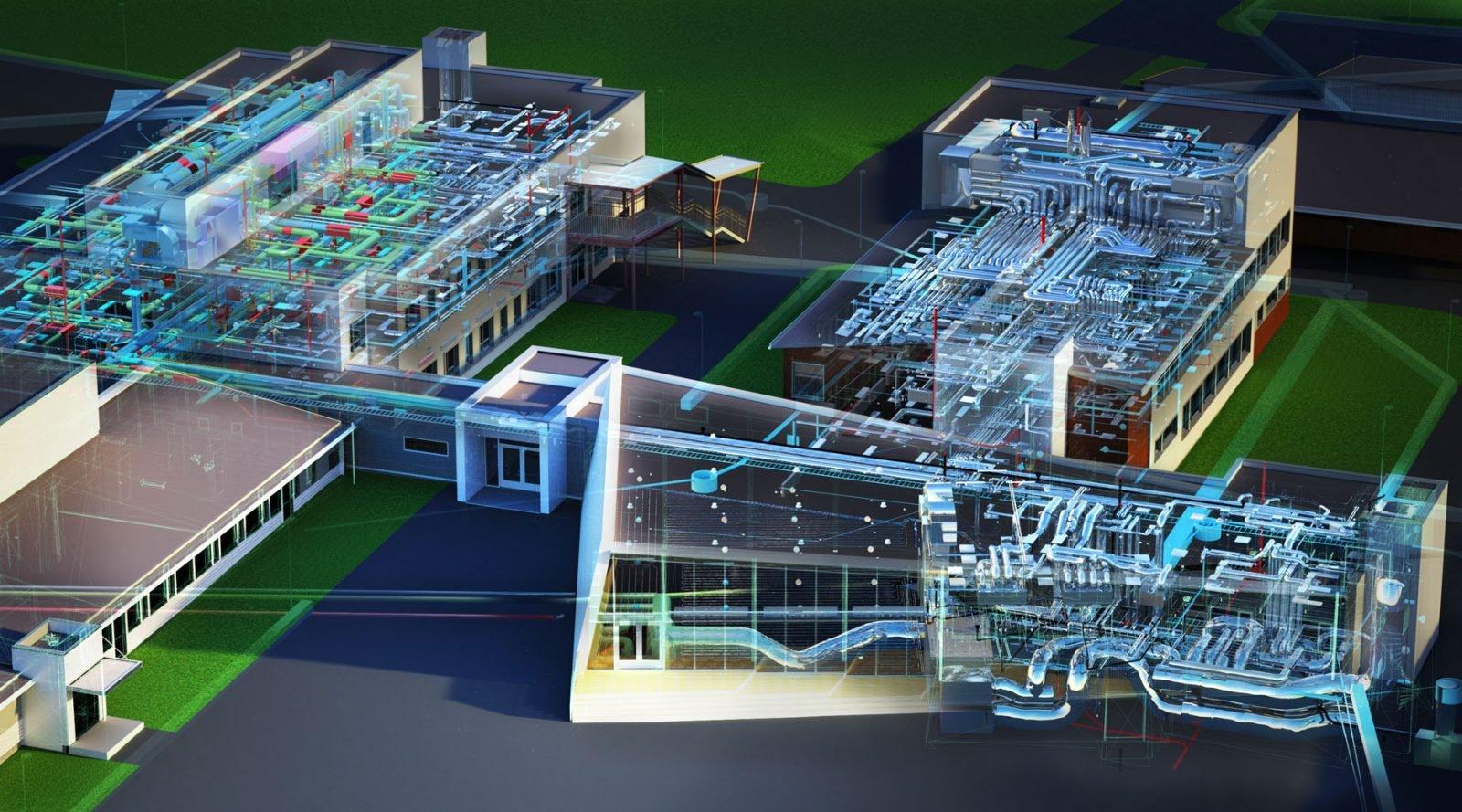
    BIM enables stakeholders to visualize the entire supply chain from initial procurement to installation through 3D models and digital simulations. This visualization helps identify potential clashes and issues early, enabling suppliers and teams to address them before impacting schedules or quality.

    Picture background

    2. Enhanced Collaboration and Communication:-

    BIM serves as a centralized platform where architects, engineers, contractors, and suppliers can collaborate in real-time. By sharing accurate project information and design specifications, BIM reduces miscommunications and misunderstandings between stakeholders. For example, suppliers can access detailed BIM models to understand spatial requirements, material specifications, and installation sequences, ensuring alignment with project requirements and quality standards.

    Picture background

    3. Performance Tracking and Data Analytics:-

    Integrating SQM with BIM enables real-time tracking and analysis of supplier performance metrics and KPIs. Project teams can monitor factors such as delivery timeliness, material compliance, defect rates, and warranty issues directly within the BIM environment. This data-driven approach empowers stakeholders to make informed decisions, identify trends, and implement corrective actions to maintain or improve supplier performance throughout the project lifecycle.

    Picture background

    4. Risk Management and Contingency Planning:-

    BIM supports proactive risk management by providing tools for scenario planning and contingency preparation. For example, suppliers can collaborate with project teams to conduct virtual simulations and feasibility studies within the BIM environment, identifying potential risks and exploring alternative solutions before implementation. This proactive approach minimizes disruptions, reduces project delays, and enhances overall resilience in managing supply chain challenges.

    Picture background

    Supplier Quality Management with BIM:-

    Beyond its technological capabilities, the effectiveness of Supplier Quality Management with BIM relies on the human elements that drive collaboration, trust, and innovation within construction teams:

    1. Building Trust and Relationships:-

    Effective SQM fosters trust and long-term relationships between construction teams and suppliers. By maintaining open communication channels and transparent processes facilitated by BIM, stakeholders build mutual respect and confidence in supplier capabilities. For example, regular project meetings and collaborative workshops enable constructive feedback exchanges, fostering a culture of partnership and shared commitment to project success.

    2. Empowering Supplier Excellence:-

    SQM with BIM empowers suppliers to excel by providing them with the tools, information, and support needed to meet project requirements effectively. For instance, suppliers can use BIM models to visualize design intent, streamline manufacturing processes, and optimize material selection based on project specifications. This empowerment enhances supplier productivity, responsiveness, and quality assurance capabilities, contributing to overall project success and client satisfaction.

    3. Promoting Continuous Learning and Improvement:-

    SQM encourages continuous learning and improvement among construction teams and suppliers. By analyzing performance data derived from BIM-enabled metrics and KPIs, stakeholders identify opportunities for process optimization, innovation, and skills development. For example, supplier workshops on BIM utilization or quality management systems equip teams with the knowledge and skills to leverage digital technologies effectively, driving continuous improvement initiatives across the supply chain.

    4. Recognizing Contributions and Achievements:-

    Acknowledging and celebrating supplier contributions to project success reinforces positive behaviors and outcomes within construction teams. Whether through performance awards, recognition programs, or collaborative milestones, recognizing supplier excellence cultivates a culture of appreciation and motivation. This recognition encourages suppliers to maintain high standards of quality, reliability, and service delivery, driving sustained performance improvements and stakeholder satisfaction.

    Case Studies and Real-World Applications:-

    Let's explore how Supplier Quality Management integrated with BIM has been successfully applied in real-world construction projects:

    Case Study 1: High-Rise Tower Construction:-

    In the construction of a high-rise residential tower, SQM integrated with BIM facilitated seamless coordination with facade suppliers. BIM models were used to visualize facade installation sequences, identify interface requirements with structural elements, and ensure compliance with aesthetic and performance specifications. Real-time performance tracking through BIM-enabled dashboards monitored supplier deliveries, quality inspections, and installation progress, mitigating risks and optimizing construction timelines.

    Case Study 2: Infrastructure Development Project:-

    During the development of a major infrastructure project, SQM with BIM supported collaboration with concrete suppliers to ensure quality and durability standards. BIM models were utilized to simulate concrete pouring sequences, analyze curing times, and verify compliance with structural design requirements. Performance metrics tracked through BIM analytics evaluated concrete mix consistency, strength test results, and adherence to environmental sustainability criteria, enhancing project resilience and stakeholder confidence.

    Embracing Digital Transformation and Future Outlook:-

    Looking ahead, the integration of Supplier Quality Management with BIM is poised to address emerging challenges in construction, such as supply chain resilience, sustainability, and digital transformation. As BIM evolves with advancements in AI, machine learning, and IoT integration, SQM will leverage these technologies to enhance predictive capabilities, optimize decision-making processes, and drive continuous improvement across global supply chains.

    This evolution promises to redefine how construction projects are planned, executed, and managed, setting new benchmarks for supplier collaboration, project efficiency, and quality assurance. By embracing Supplier Quality Management with BIM in a humanized context—building trust, empowering excellence, promoting learning, and recognizing achievements—construction industry professionals can navigate complexities, seize opportunities, and pioneer innovative solutions that shape resilient, sustainable, and successful built environments.

    Conclusion:-

    In conclusion, Supplier Quality Management (SQM) is integral to construction project success, ensuring that suppliers deliver materials, components, and services that meet rigorous quality standards. When integrated with Building Information Modeling (BIM), SQM becomes a powerful tool for enhancing collaboration, transparency, and efficiency across supply chains.

    By SQM with BIM—fostering collaboration, empowering suppliers, promoting continuous improvement, and celebrating achievements—construction teams can achieve higher levels of performance, reliability, and client satisfaction. As the construction industry embraces digital transformation and innovation, SQM with BIM sets the stage for future advancements, resilience,  and sustainable development in building projects worldwide.

    Read more on:-

    For more information about engineering, architecture, and the building & construction sector, go through the posts related to the same topic on the Pinnacle IIT Blogs page.

    Find out more accurately what we are going to take off in the course of applying leading new technologies and urban design at Pinnacle IIT.

    Subscribe to our YouTube channel and blog websites to obtain all the up-to-date information relating to construction matters.


  • Innovative Tools for Quality Engineering in Construction Software Development

    Innovative Tools for Quality Engineering in Construction Software Development

    In the dynamic realm of software development within the construction industry, ensuring high-quality engineering practices is paramount. As digital transformation accelerates across sectors, the construction field is no exception. The integration of robust software solutions not only enhances efficiency but also improves project outcomes and client satisfaction. Here, we delve into the critical importance of elevating quality engineering in software development within the construction domain.

    Picture background

    Understanding the Landscape:-

    Construction projects are becoming increasingly complex. Moreover, stakeholders are demanding faster timelines, cost efficiency, and sustainable practices. Similarly, software development plays a pivotal role in addressing these challenges by streamlining workflows, facilitating collaboration, and ensuring adherence to regulatory standards.

    Key Challenges:-

    1. Integration and Interoperability: Often, construction projects involve multiple software systems that must seamlessly integrate. Consequently, quality engineering ensures that these systems communicate effectively, thereby minimizing errors and enhancing data accuracy.

    2. Performance and Scalability: Construction projects vary widely in scale; however, from small renovations to large-scale infrastructure projects. Similarly, quality engineering ensures that software solutions are scalable, capable of handling increasing data volumes and complex computations without compromising performance.

    3. User Experience: User-centric design is crucial in construction software. Moreover, quality engineering focuses on creating intuitive interfaces that cater to the unique needs of construction professionals. This includes architects, engineers, contractors, and project managers alike.

    Benefits of Quality Engineering in Construction Software:-

    1. Reliability and Stability: Rigorous testing and quality assurance processes mitigate the risk of software failures during critical project phases, ensuring reliability and stability.

    2. Efficiency Gains: Using more of them can significantly improve readability and coherence. For instance, automated workflows and optimized processes reduce manual effort, thereby improving project efficiency. Additionally, quality engineering identifies bottlenecks and inefficiencies, facilitating continuous improvement.

    3. Risk Mitigation: In the construction industry, errors can have significant financial and safety implications. Quality engineering practices incorporate robust testing methodologies to identify and rectify potential issues before they escalate.

    Strategies for Implementation:-

    1. Agile Development: To improve clarity and coherence, embrace agile methodologies. This approach allows teams to adapt quickly to changing project requirements and stakeholder feedback.

    2. Continuous Integration/Continuous Deployment (CI/CD): Implement CI/CD pipelines to automate testing and deployment, thereby ensuring rapid delivery of reliable software updates.

    3. Collaboration and Feedback: Foster collaboration between software developers, construction professionals, and end-users to iteratively iterate and refine software solutions.

    Looking Ahead:-

    As technology continues to evolve, the role of quality engineering in construction software development will only grow in importance. Embracing emerging technologies such as AI, IoT, and blockchain can further enhance project visibility, resource management, and sustainability.

    Conclusion:-

    Elevating quality engineering in software development within the construction industry is not merely about adopting the latest tools and methodologies. It's about fostering a culture of continuous improvement, collaboration, and innovation. By prioritizing quality at every stage of software development, construction firms can position themselves at the forefront of innovation while delivering superior project outcomes and exceeding client expectations.

    In essence, the future of construction lies in leveraging robust software solutions empowered by rigorous quality engineering practices to build smarter, safer, and more sustainable environments.

    This blog outlines the critical importance of quality engineering in software development within the construction industry, emphasizing its benefits, challenges, and strategies for effective implementation. It aims to inspire construction professionals to embrace quality engineering as a cornerstone of their digital transformation journey.

    Read more on:-

    For more information about engineering, architecture, and the building & construction sector, go through the posts related to the same topic on the Pinnacle IIT Blogs page.

    Find out more accurately what we are going to take off in the course of applying leading new technologies and urban design at Pinnacle IIT.

    Subscribe to our YouTube channel and blog websites to obtain all the up-to-date information relating to construction matters.

  • How QMS and BIM Is Making Construction Better In Innovative Ways

    How QMS and BIM Is Making Construction Better In Innovative Ways

    In the dynamic world of construction and engineering, ensuring quality throughout every phase of a project is paramount. Quality Management Systems (QMS) help achieve goals by setting clear processes and standards that guide project execution. When BIM and QMS work together, they boost construction efficiency and accuracy, while also encouraging collaboration and innovation among stakeholders. In this blog post, we'll explore how QMS and BIM converge to elevate the standards of quality in the built environment. Specifically, we will emphasize their practical applications and, moreover, highlight their real-world impact.

    Understanding Quality Management Systems:-

    Quality Management Systems encompass a set of policies, processes, and procedures designed to ensure that products and services consistently meet customer requirements and regulatory standards. Furthermore, in the context of construction, QMS aims to minimize defects, optimize resources, and enhance overall project performance. Moreover, key principles of QMS include:

    Customer Focus: Understanding and meeting customer needs and expectations requires effective communication and adaptability.

    Leadership: Furthermore, establishing a clear vision and commitment to quality from top management can significantly enhance organizational effectiveness.

    Process Approach: Managing activities and resources as processes in order to achieve desired outcomes efficiently.

    Continuous Improvement: Continually enhancing performance through learning and adaptation.

    Evidence-Based Decision Making: Using data and information for informed decision-making.

    Integrating QMS with Building Information Modeling (BIM):-

    Building Information Modeling (BIM) is a digital technology that provides a collaborative platform for creating and managing building projects. It involves creating intelligent 3D models that not only represent the physical aspects of a building but also contain data about its components, materials, and operational characteristics. When QMS principles are integrated with BIM, the benefits are manifold:

    1. Enhanced Communication and Collaboration:-

    BIM serves as a common platform where architects, engineers, contractors, and clients can collaborate in real-time. Moreover, QMS principles ensure that communication channels are clear and that all stakeholders are aligned with project goals and quality standards. Consequently, this integration minimizes misunderstandings and delays, thereby fostering a more cohesive project environment.

    Picture background

    2. Improved Design Validation and Risk Management:-

    QMS emphasizes rigorous validation processes to ensure that designs meet functional requirements and regulatory standards. Moreover, BIM facilitates advanced simulations and analyses, allowing engineers to identify potential risks and performance issues early in the design phase. By integrating QMS practices with BIM's capabilities, construction teams can therefore mitigate risks and optimize design decisions for superior project outcomes. Consequently, this integration leads to more efficient and successful projects.

    Picture background

    3. Streamlined Documentation and Compliance:-

    QMS requires meticulous documentation of processes, procedures, and project data to ensure transparency and accountability. Similarly, BIM serves as a centralized repository for all project-related information, including specifications, material data, and regulatory requirements. Consequently, this integration ensures that all stakeholders have access to up-to-date information, thereby facilitating compliance with industry standards and regulatory frameworks.

    Picture background

    4. Real-Time Quality Monitoring and Control:-

    During construction, QMS principles guide quality monitoring and control processes to verify that work meets specified requirements. BIM enables real-time monitoring of construction progress against the 3D model, thus allowing for immediate detection and resolution of deviations. Consequently, this proactive approach minimizes rework, enhances productivity, and maintains high-quality standards throughout the project lifecycle. Moreover, it fosters better communication among stakeholders, thereby ensuring that everyone is aligned and informed at all stages. Ultimately, the integration of BIM leads to more efficient project management and successful project outcomes.

    Picture background

    Case Studies and Real-World Applications:-

    Let's explore how QMS and BIM have been successfully applied in real-world construction projects:

    Case Study 1: One World Trade Center, New York City:-

    One World Trade Center (WTC) exemplifies the integration of QMS and BIM to achieve exceptional quality and efficiency. QMS principles guided the project team in establishing rigorous quality standards and processes, while BIM facilitated detailed coordination among multiple disciplines and contractors. This collaboration ensured that the complex design met stringent safety and performance criteria, resulting in the successful completion of a landmark skyscraper.

    Picture background

    Case Study 2: Crossrail Project, London:-

    The Crossrail project in London utilized BIM and QMS to manage one of Europe's largest infrastructure developments. BIM enabled precise planning and coordination across the project's extensive network of tunnels, stations, and rail systems. QMS principles ensured that quality standards were consistently met, from design validation to construction and commissioning phases. This integrated approach enabled Crossrail to deliver a world-class transportation system that enhances connectivity and efficiency across London.

     The Future of QMS with BIM:-

    Looking ahead, the synergy between QMS and BIM is poised to drive further innovation and efficiency in the construction industry. As BIM technologies evolve with advancements in artificial intelligence, machine learning, and IoT integration, QMS will leverage these capabilities to automate processes, optimize decision-making, and enhance project outcomes. This evolution promises to streamline workflows, reduce costs, and elevate the overall quality of built environments worldwide.

    Embracing a Human-Centered Approach:-

    At its core, the integration of QMS with BIM is not just about technology and processes—it's about people. By this integration, we recognize that construction projects are collaborative endeavors that rely on the expertise, creativity, and dedication of diverse teams. QMS principles empower these teams to work cohesively towards a shared vision of excellence, ensuring that every aspect of a project reflects quality craftsmanship and innovation.

    Conclusion:-

    In conclusion, Quality Management Systems (QMS) and Building Information Modeling (BIM) represent a powerful convergence of methodologies that elevate the standards of quality in construction projects. By integrating QMS principles with BIM's collaborative and data-rich environment, stakeholders can achieve greater efficiency, accuracy, and innovation throughout the project lifecycle. As technology continues to evolve, embracing this integration with a human-centered approach will be essential for shaping a sustainable and resilient built environment for future generations. Together, QMS and BIM pave the way towards construction excellence, where quality is not just a goal but a fundamental principle driving every decision and action.

    Read more on:-

    For more information about engineering, architecture, and the building & construction sector, go through the posts related to the same topic on the Pinnacle IIT Blogs page.

    Find out more accurately what we are going to take off in the course of applying leading new technologies and urban design at Pinnacle IIT.

    Subscribe to our YouTube channel and blog websites to obtain all the up-to-date information relating to construction matters.

  • Why BIM Is Pioneering Quality Engineering

    Why BIM Is Pioneering Quality Engineering

    In today's construction and engineering, Building Information Modeling (BIM) has transformed how projects are planned, designed, and completed. Moreover, central to this transformation is Quality Engineering, which ensures top-notch performance, reliability, and durability in construction projects. In this blog post, we'll delve into the fascinating intersection of BIM and Quality Engineering. Specifically, we will explore how these technologies and methodologies come together to enhance the built environment.

    Understanding Building Information Modeling (BIM):-

    Building Information Modeling, commonly known as BIM, is a digital representation of physical and functional characteristics of a building. Unlike traditional 2D drawings, BIM incorporates 3D models enriched with intelligent data. These models not only visualize the physical aspects of a structure but also capture information regarding its specifications, materials, systems, and even maintenance schedules. This holistic approach allows stakeholders to visualize the entire lifecycle of a building from conception to demolition.

    The Role of Quality Engineering in Construction:-

    Quality Engineering in construction ensures structures meet design specifications, functional requirements, and regulatory standards. It includes quality planning, control, assurance, and continuous improvement. The aim is to minimize defects, enhance efficiency, and satisfy client expectations. Consequently, this approach leads to more reliable, efficient construction and higher quality outcomes.

    Integrating BIM with Quality Engineering:-

    The marriage of BIM and Quality Engineering brings significant advantages to the construction industry. Here’s how:

    1. Enhanced Visualization and Coordination:-

    BIM allows stakeholders to visualize the entire project in 3D, enabling better coordination and collaboration among architects, engineers, contractors, and clients. This visual clarity reduces errors and conflicts during design and construction phases, thereby improving overall project quality.

    Picture background

    2. Improved Design Analysis and Simulation:-

    With BIM, engineers can conduct advanced analysis and simulations, enabling them to assess structural integrity, energy performance, and even occupant comfort more comprehensively. Consequently, this predictive capability helps identify potential issues early in the design phase, thereby facilitating informed decisions that optimize both quality and efficiency.

    Picture background

    3. Streamlined Documentation and Information Management:-

    BIM serves as a centralized repository for all project-related information, such as specifications, material data, and maintenance schedules. This integrated approach facilitates better documentation management, ensuring that all stakeholders have access to the most up-to-date information throughout the project lifecycle.

    Picture background

    4. Enhanced Construction Management and Control:-

    During construction, BIM enables real-time monitoring of progress against the 3D model. This capability significantly enhances project control by meticulously comparing actual construction progress to the planned schedule and design specifications. As a result, it effectively minimizes deviations, ensuring strict adherence to high-quality standards. Moreover, this approach not only boosts project efficiency but also enhances overall client satisfaction.

    Picture background

    Case Studies and Real-World Applications:-

    To illustrate the effectiveness of BIM in Quality Engineering, let's explore a few case studies:

    Case Study 1: The Shard, London:-

    The Shard, an iconic skyscraper in London, heavily relied on Building Information Modeling (BIM) throughout its intricate design and construction phases. By employing BIM, engineers meticulously simulated various scenarios to enhance structural efficiency and ensure strict adherence to safety protocols. Consequently, this methodical approach significantly bolstered the building's reputation as a monumental architectural achievement.

    Case Study 2: Marina Bay Sands, Singapore:-

    Marina Bay Sands in Singapore harnessed Building Information Modeling (BIM) to coordinate the construction of its integrated resort complex. This complex features a hotel, convention center, and shopping mall. Consequently, BIM facilitated seamless collaboration among international design teams and contractors, resulting in a visually striking development.

    The Future of Quality Engineering with BIM:-

    Looking ahead, it's clear that the future of Quality Engineering in construction is closely tied to advancements in BIM technology. As BIM continues to integrate artificial intelligence, machine learning, and Internet of Things (IoT) capabilities, the potential to enhance project quality and efficiency grows exponentially. This evolution not only promises greater precision in construction processes but also opens doors to innovative approaches that can revolutionize how projects are managed and executed. These technologies promise to automate routine tasks, optimize resource allocation, and further improve decision-making throughout the project lifecycle.

    Conclusion:-

    In conclusion, Building Information Modeling (BIM) is not just a tool for visualizing buildings—it's a cornerstone of modern Quality Engineering in construction. By integrating BIM into their workflows, architects, engineers, and contractors can achieve higher levels of precision, efficiency, and sustainability in building projects. Moreover, as technology continues to advance, embracing BIM and its synergies with Quality Engineering will be crucial. This integration will shape a built environment that not only meets but anticipates the demands of the 21st century and beyond.

    In essence, BIM empowers us to build smarter, safer, and more sustainable structures, ushering in a new era of Quality Engineering that is as innovative as it is transformative.

    Read more on:-

    For more information about engineering, architecture, and the building & construction sector, go through the posts related to the same topic on the Pinnacle IIT Blogs page.

    Find out more accurately what we are going to take off in the course of applying leading new technologies and urban design at Pinnacle IIT.

    Subscribe to our YouTube channel and blog websites to obtain all the up-to-date information relating to construction matters.
  • New Ways How BIM Humanizes MEP Coordination Challenges in [year]

    New Ways How BIM Humanizes MEP Coordination Challenges in [year]

    Welcome to a deep dive into the complex world of MEP (Mechanical, Electrical, Plumbing) coordination using Building Information Modeling (BIM). Throughout this blog, we will explore the intricacies of MEP systems. Additionally, we'll examine the challenges encountered in their coordination. Moreover, we'll highlight how BIM serves as a transformative tool in overcoming these obstacles. Join us as we humanize the journey of MEP coordination, uncovering its profound impact on project efficiency, collaboration, and the built environment.

    Understanding MEP Coordination: The Backbone of Building Systems:-

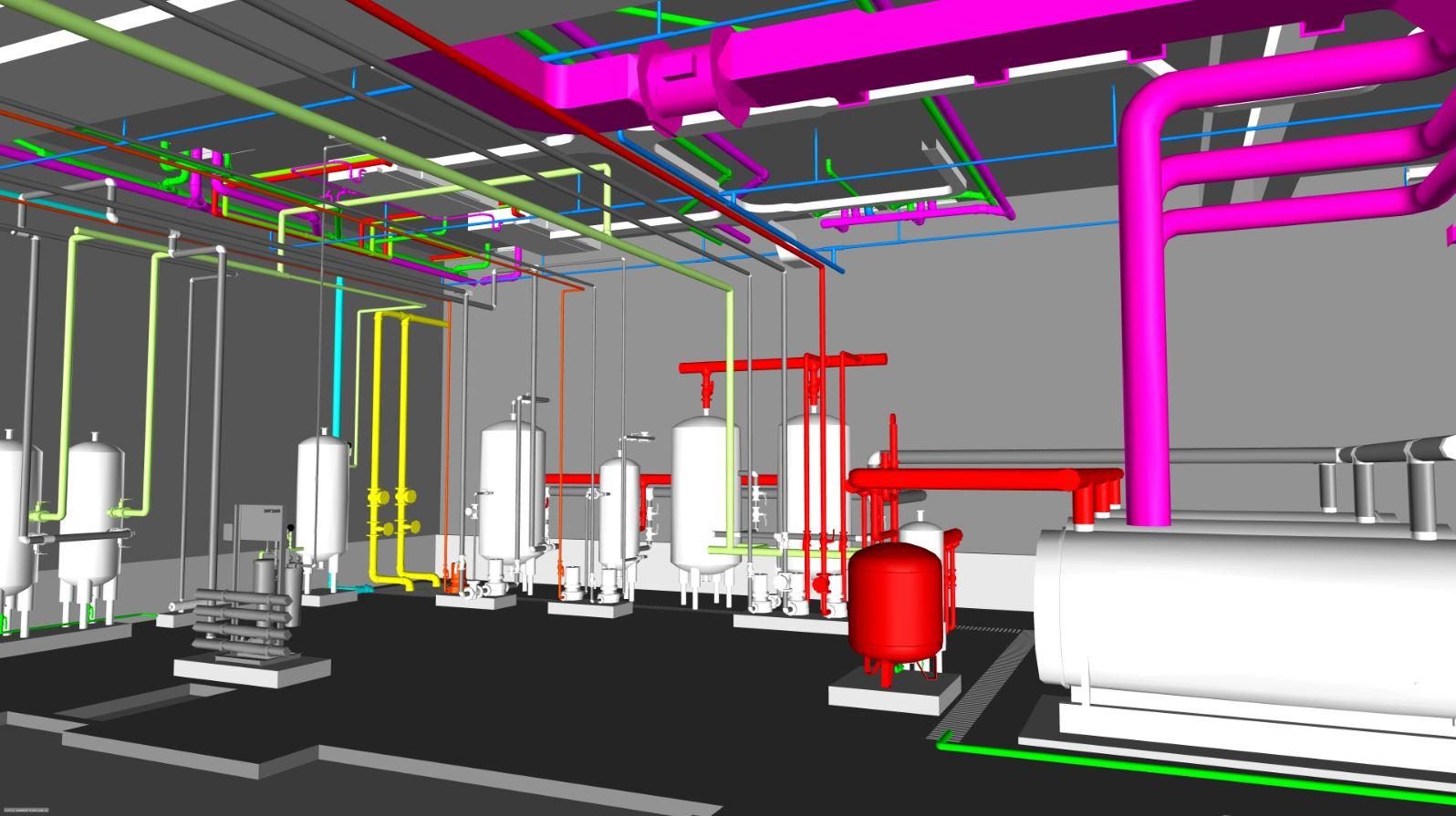
    MEP coordination is the process of integrating mechanical, electrical, and plumbing systems within a building to ensure seamless operation, efficiency, and occupant comfort. Consequently, this integration enhances the overall functionality of the building, making it more efficient and comfortable for its occupants. These systems include HVAC (Heating, Ventilation, and Air Conditioning), as well as electrical distribution. Additionally, they cover lighting, fire protection, water supply, and drainage, among others. To enhance the coordination of MEP systems successfully, it is essential to engage in careful planning, precise design, and effective communication among multiple disciplines. By doing so, potential clashes can be avoided, space utilization can be optimized, and project goals can be met.

    The Challenges in MEP Coordination:-

    1. Interdisciplinary Collaboration:-

    One of the primary challenges in MEP coordination is fostering effective collaboration among diverse disciplines. For instance, architects, MEP engineers, structural engineers, and contractors all need to work together seamlessly. Moreover, each discipline brings unique requirements and constraints to the table, which means clear communication is crucial. Therefore, establishing a shared understanding of project objectives is essential to ensure everyone is on the same page.

    Challenges: Imagine a team of professionals from different backgrounds coming together like pieces of a puzzle. Each piece contributes a vital aspect to the overall picture—the architect envisions the building's form and function, the MEP engineer ensures its systems operate flawlessly, and the contractor brings the project to life. Coordination through BIM acts as the glue that binds these pieces together, ensuring everyone works towards a common goal of delivering a functional and harmonious building.

    2. Spatial Conflicts and Clash Detection:-

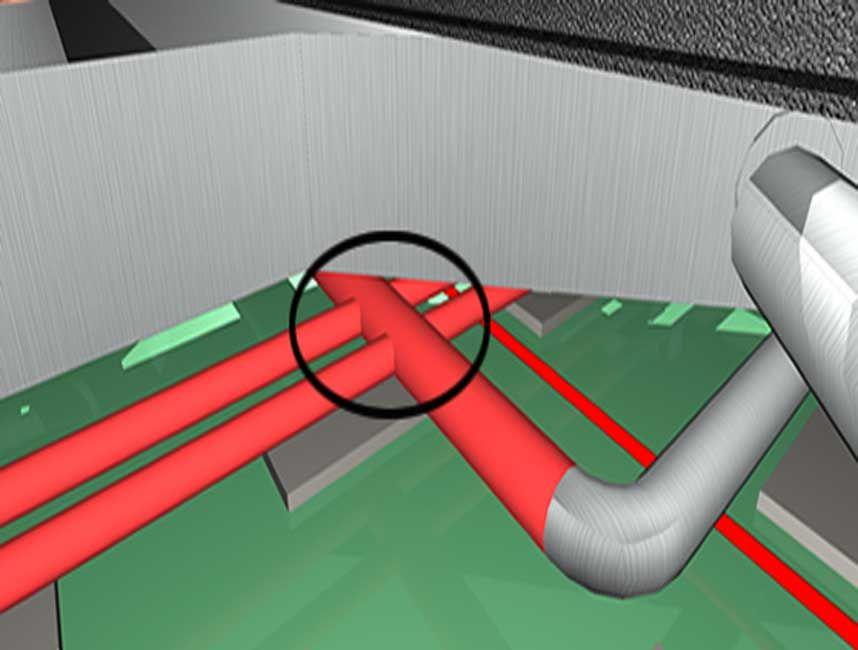
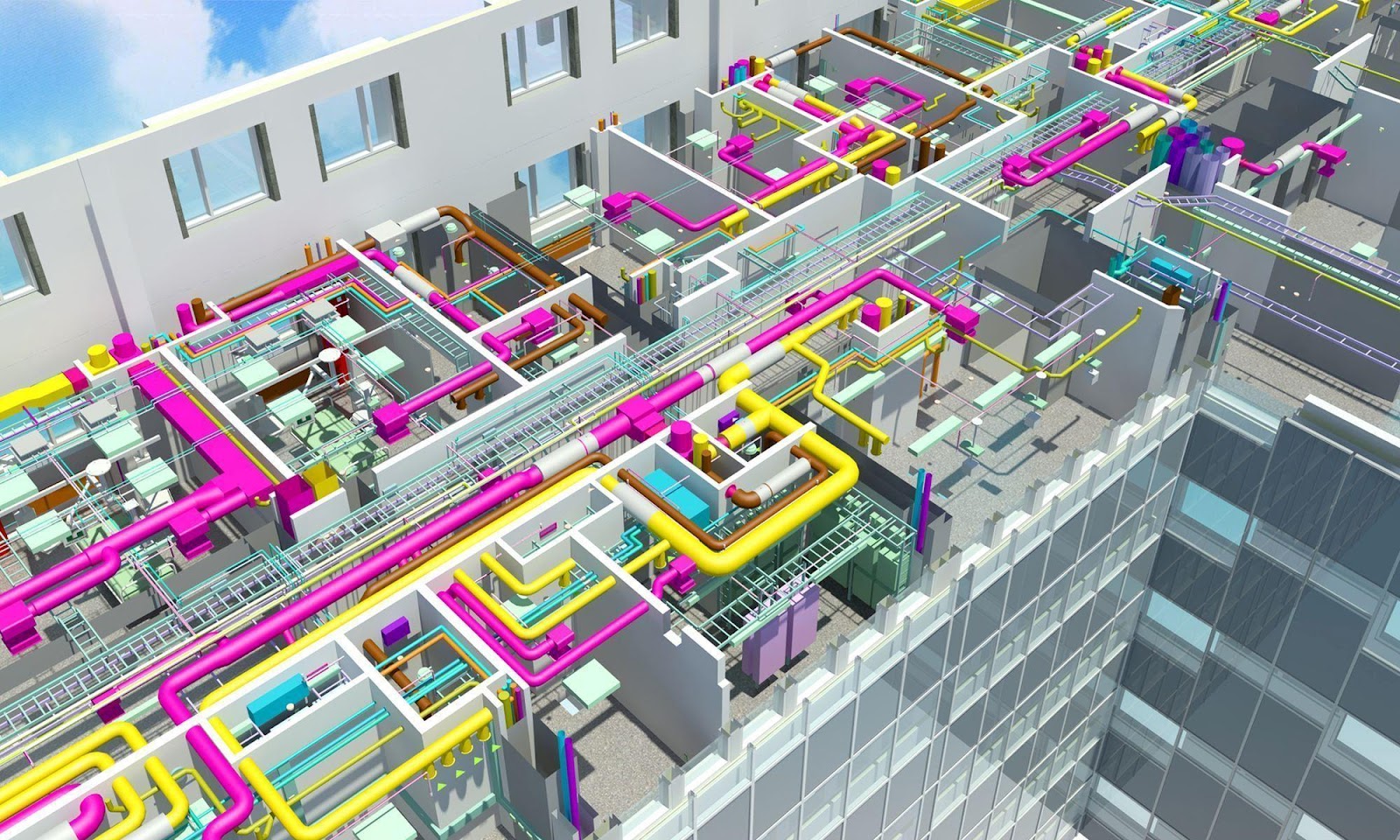
    Spatial conflicts, or clashes, occur when MEP systems intersect with structural elements, architectural features, or other MEP components. These clashes can lead to costly rework, delays, and compromised system performance if not detected and resolved early in the design phase.

    Picture background

    Challenges: Picture a scenario where an electrical conduit clashes with a structural beam or a HVAC duct conflicts with a lighting fixture. These clashes not only impact the physical space within the building but also disrupt the seamless flow of construction progress. With BIM, these clashes can be visualized and resolved virtually before construction begins, saving time, reducing costs, and minimizing on-site disruptions.

    3. Design Complexity and Coordination Errors:-

    MEP systems are inherently complex therefore, they require meticulous attention to detail in design and coordination. Indeed, errors in system layout, sizing, or specification can lead to inefficiencies. Moreover, such mistakes can cause operational issues and compromise building performance.

    Picture background

    Challenges: Designing MEP systems for diverse building functions and user needs is a complex task. For instance, ensuring adequate air circulation for occupant comfort, as well as providing reliable power distribution for critical operations, are both crucial. Fortunately, BIM comes to the rescue by enabling engineers to simulate, analyze, and optimize these MEP designs. Consequently, this approach mitigates risks and ensures that systems operate seamlessly from day one.

    4. Technological Integration and Data Management:-

    The integration of BIM with MEP coordination introduces new challenges related to technology adoption, data management, and software interoperability. For instance, building a collaborative BIM environment necessitates not only training but also significant investment in software. Moreover, it involves establishing standardized workflows across project stakeholders. Consequently, addressing these challenges is essential to maximize the benefits of BIM in MEP coordination.

    Picture background

    Challenges: Imagine navigating through a maze of digital tools and data streams, each serving a crucial role in shaping the final outcome of a building project. From 3D modeling and clash detection software to data-rich BIM platforms, MEP coordination evolves in tandem with technological advancements. Indeed, BIM serves as a catalyst for innovation, empowering teams to harness the power of data-driven decision-making and, consequently, streamline project workflows for optimal results. As a result, the integration of these tools not only enhances efficiency but also ensures the precision and accuracy of the entire project. Therefore, it is clear that embracing these technologies is essential for modern construction projects.

    Overcoming Challenges with BIM: A Transformative Approach:-

    Building Information Modeling (BIM) emerges as a transformative solution to address the challenges of MEP coordination effectively. Here’s how BIM revolutionizes MEP coordination:

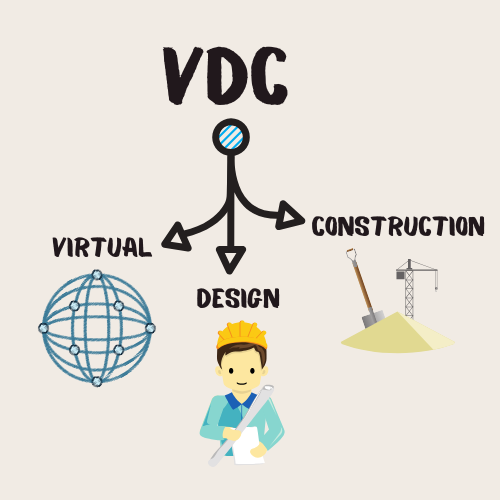
    1. Virtual Design and Construction (VDC):-

    Visualization and Simulation: BIM enables stakeholders to visualize MEP systems in 3D, simulate their performance, and identify clashes before construction begins, minimizing rework and ensuring spatial coordination.

    Picture background

    2. Collaborative Workflows:-

    Interdisciplinary Collaboration: BIM facilitates real-time collaboration among architects, engineers, contractors, and owners, fostering transparency, enhancing communication, and aligning project goals.

    3. Clash Detection and Resolution:-

    Conflict Identification: BIM's clash detection tools automatically identify conflicts between MEP systems and other building elements, enabling prompt resolution and reducing construction delays.

    4. Data-Driven Decision Making:-

    Performance Analysis: BIM's analytical capabilities allow for energy analysis, lifecycle cost assessment, and operational simulations of MEP systems, optimizing performance and sustainability.

    MEP Coordination: Impact on Efficiency and Collaboration:-

    Behind every MEP coordination effort lies a profound human impact. By integrating BIM with MEP practices, we ensure:

    Efficiency: Streamlining workflows, reducing errors, and optimizing construction schedules through early clash detection and coordinated planning.

    Collaboration: Fostering teamwork, enhancing communication, and building trust among project stakeholders for shared success and project delivery.

    Innovating for a Collaborative Future: Embracing Challenges, Building Solutions:-

    As buildings evolve to meet higher standards of performance and sustainability, MEP coordination through BIM continues to evolve. BIM facilitates collaboration, enhances efficiency, and empowers teams to overcome challenges collectively.

    Your Role in Advancing MEP Coordination: Empowering Change:-

    Studying MEP coordination through BIM at BIM is more than acquiring technical skills; it's embracing a commitment to innovation, collaboration, and improving project outcomes. Whether you aspire to design efficient MEP systems, lead interdisciplinary teams, or advocate for digital transformation in construction, your journey begins here.

    Conclusion: Navigating the Maze Together:-

    In conclusion, MEP coordination through BIM exemplifies the power of technology, collaboration, and human-centered design. By humanizing the challenges and understanding their impact on project success, we empower ourselves to navigate the maze of MEP coordination with confidence and resilience.

    Join us at BIM in embracing the challenge and privilege of advancing MEP coordination. Together, let's innovate, collaborate, and build a future where buildings not only function efficiently but also enhance quality of life and sustainability for generations to come.

    Read more on:-

    For more information about engineering, architecture, and the building & construction sector, go through the posts related to the same topic on the Pinnacle IIT Blogs page.

    Find out more accurately what we are going to take off in the course of applying leading new technologies and urban design at Pinnacle IIT.

    Subscribe to our YouTube channel and blog websites to obtain all the up-to-date information relating to construction matters.

  • Innovative Ways BIM is Revolutionizing MEP Engineering in [year]

    Innovative Ways BIM is Revolutionizing MEP Engineering in [year]

    Welcome to a comprehensive exploration of MEP (Mechanical, Electrical, Plumbing) engineering through the transformative lens of Building Information Modeling. In this blog, we will uncover the critical role of MEP systems in building functionality. We will also explore how BIM revolutionizes MEP design and coordination. Moreover, we will highlight the profound impact of these innovations on efficiency, sustainability, and occupant comfort. Join us as we delve into humanizing the science behind MEP engineering. Explore how BIM is not only shaping, but also connecting, energizing, and making our built environment more sustainable. Furthermore, see the profound impact of these innovations on our everyday lives.

    Picture background

    Understanding MEP Engineering: Backbone of Building Infrastructure:-

    MEP systems encompass mechanical, electrical, and plumbing components that provide essential services to buildings. Specifically, these systems ensure indoor environmental quality, safety, and functionality. For instance, they deliver heating, ventilation, air conditioning, power distribution, lighting, water supply, drainage, and fire protection. Moreover, as buildings evolve to meet higher performance standards and sustainability goals, MEP engineering plays a crucial role. It not only optimizes energy use but also reduces environmental impact, thereby improving occupant comfort and well-being.

    The Role of BIM in Transforming MEP Engineering:-

    Building Information Modeling (BIM) is revolutionizing MEP engineering. By offering advanced digital tools, it enhances modeling, coordination, simulation, and lifecycle management. Consequently, engineers can work more efficiently and effectively. Additionally, BIM fosters better collaboration among different teams, leading to improved project outcomes. Ultimately, this technology transforms how MEP engineering projects are planned and executed. As buildings evolve to meet higher performance standards and sustainability goals, MEP engineering plays a crucial role. It optimizes energy use, reduces environmental impact, and improves occupant comfort and well-being. By integrating BIM with MEP workflows, stakeholders can visualize, analyze, and refine designs to achieve functional requirements while adhering to sustainability goals, regulatory standards, and client expectations.

    BIM's Approach: Excellence in Education and Technological Integration:-

    At BIM, MEP engineering is integral to our curriculum in building design and sustainability. Therefore, we emphasize a holistic approach that combines theoretical knowledge with practical experience using BIM tools. By engaging in hands-on projects, research endeavors, and industry partnerships, it prepares future professionals to leverage technological innovations. Consequently, they are equipped to lead transformative change in MEP engineering, focusing on energy-efficient and sustainable solutions.

    The Journey of MEP Engineering: Innovations and Applications:-

    Advancements in MEP engineering encompass a spectrum of innovations that optimize system performance, energy efficiency, and environmental stewardship. Here are key areas where BIM plays a pivotal role in advancing MEP systems:

    1. Integrated Design and Coordination:-

    Collaborative Modeling: To facilitate interdisciplinary collaboration among MEP disciplines, architects, and structural engineers, it is essential to use Building Information Modeling. By integrating systems early in the design phase, BIM helps minimize clashes and optimize spatial utilization. Additionally, this approach ensures a more seamless and efficient workflow, ultimately leading to better project outcomes. Therefore, incorporating BIM into the design process is highly beneficial.

    Clash Detection: Conducting clash detection simulations using BIM to identify and resolve conflicts between MEP systems, structural elements, and architectural features before construction, reducing rework and project delays.

    Picture background

    2. Energy Modeling and Analysis:-

    Energy Simulation: Utilizing BIM's energy analysis tools to simulate MEP system performance, assess energy consumption, and optimize design decisions for improved efficiency and operational cost savings.

    Passive Design Integration: Integrating passive design strategies, such as natural ventilation, daylight harvesting, and building orientation, into MEP systems using BIM to enhance energy performance and occupant comfort.

    Picture background

    3. Smart Technologies and Automation:-

    Building Automation Systems (BAS): Integrating BAS with BIM allows for real-time monitoring and control of MEP systems, thereby optimizing energy use. Moreover, it improves indoor environmental quality while dynamically responding to occupancy patterns and environmental conditions.

    IoT Integration: To enhance the reliability and longevity of systems, incorporating IoT sensors and data analytics with BIM is essential. By enabling predictive maintenance, these technologies can help monitor equipment performance and optimize system operation. Consequently, this integration ensures more efficient and effective system management.

    Picture background

    MEP Engineering: Impact on Efficiency and Sustainability:-

    Behind every MEP engineering design lies a profound human impact. By integrating Building Information Modeling with MEP practices, BIM ensures:

    Occupant Comfort: Designing MEP systems that provide optimal thermal comfort, indoor air quality, lighting levels, and acoustics, enhancing productivity, health, and well-being.

    Energy Efficiency: Implementing energy-efficient technologies and strategies to reduce energy consumption, lower operating costs, and minimize environmental footprint through optimized MEP design and operation.

    Innovating for a Sustainable Future: Collaboration and Adaptation:-

    As buildings evolve to meet increasingly stringent sustainability goals, BIM facilitates collaboration and adaptation within MEP engineering:

    Lifecycle Management: Using BIM's capabilities for asset management and maintenance planning to optimize MEP system performance, extend equipment lifespan, and ensure ongoing efficiency.

    Regulatory Compliance: Ensuring MEP designs comply with building codes, energy efficiency standards, and environmental regulations through BIM-enabled documentation, compliance tracking, and reporting.

    Your Role in Advancing MEP Engineering: Empowering Change:-

    Studying MEP engineering through BIM at BIM is more than acquiring technical skills; it's embracing a commitment to innovation, sustainability, and improving quality of life. Whether you aspire to design energy-efficient systems, optimize building performance, or advocate for sustainable practices, your journey begins here.

    Conclusion: Building a Connected and Sustainable Environment Together:-

    In conclusion, MEP engineering through BIM exemplifies the convergence of technology, expertise, and human-centered design.When we humanize the science and fully grasp its profound impact on buildings and communities, we consequently empower ourselves to create environments that are not only efficient but also sustainable. Furthermore, these environments become more conducive to human well-being.

    Read more on:-

    For more information about engineering, architecture, and the building & construction sector, go through the posts related to the same topic on the Pinnacle IIT Blogs page.

    Find out more accurately what we are going to take off in the course of applying leading new technologies and urban design at Pinnacle IIT.

    Subscribe to our YouTube channel and blog websites to obtain all the up-to-date information relating to construction matters.