Author: Harsheel Purohit

  • Bridging Communities: The Way of Community Engagement in Water Management

    Bridging Communities: The Way of Community Engagement in Water Management

    Water is not just a resource; rather, it is a lifeline that connects communities, sustains livelihoods, and nurtures ecosystems. Consequently, as a water resource engineer dedicated to fostering sustainable water management practices, I recognize the crucial role of community engagement in shaping inclusive and effective water governance. In this blog, we will therefore explore the significance of community involvement in water management, the benefits of collaborative approaches, and, furthermore, real-world examples of successful community-driven initiatives.

    Importance of Community Engagement in Water Management:-

    Community engagement in water management empowers local residents, stakeholders, and organizations to participate in decision-making processes, contribute local knowledge, and take ownership of water-related challenges and solutions. By fostering partnerships and dialogue, community engagement enhances the effectiveness, equity, and sustainability of water management practices.

    Key Benefits of Community Engagement:-

    1. Local Knowledge and Perspectives:-

    Communities possess valuable insights into local water resources, usage patterns, and environmental changes that may not be captured through scientific data alone:

    Traditional Knowledge: Incorporating indigenous and traditional knowledge systems into water management strategies to improve resilience and sustainability.

    User Needs: Understanding community water needs, preferences, and cultural practices to tailor management approaches that are socially and economically beneficial.

    2. Building Trust and Accountability:-

    Engaging communities builds trust between water managers, policymakers, and residents, fostering transparency and accountability in decision-making:

    Open Communication: Establishing channels for dialogue, public consultations, and feedback mechanisms to ensure community concerns are heard and addressed.

    Shared Responsibility: Promoting shared responsibility for water stewardship and compliance with regulations through education, outreach, and capacity-building initiatives.

    3. Enhancing Project Effectiveness:-

    Community participation improves the relevance, acceptance, and implementation of water management projects:

    Co-Design and Co-Implementation: Collaborating with communities in the planning, design, and implementation of water infrastructure projects, ensuring they meet local needs and priorities.

    Behavioral Change: Encouraging water conservation practices, pollution prevention measures, and sustainable land use practices through community-led initiatives and awareness campaigns.

    Strategies for Effective Community Engagement:-

    1. Education and Awareness:-

    Raising awareness about water issues, conservation practices, and the importance of sustainable water management:

    Public Workshops: Hosting workshops, seminars, and educational programs to inform communities about local water resources, threats, and opportunities for engagement.

    School Programs: Integrating water education into school curricula to empower future generations with knowledge and skills to become water stewards.

    Picture background

    2. Participatory Decision-Making:-

    Involving communities in decision-making processes to ensure their voices are heard and considerations are integrated into water management plans:

    Community Forums: Organizing public forums, focus groups, and town hall meetings to gather input on water policies, projects, and regulations.

    Advisory Committees: Establishing community advisory committees or boards to provide ongoing input, review proposals, and monitor project implementation.

    3. Collaborative Partnerships:-

    Building partnerships with local organizations, non-profits, and community leaders to leverage collective expertise and resources:

    Community-Based Organizations: Partnering with grassroots organizations, neighborhood associations, and civic groups to mobilize community action and support.

    Indigenous Partnerships: Respecting and collaborating with indigenous communities to incorporate traditional knowledge and cultural values into water management practices.

    Case Studies in Community-Driven Water Management:-

    Case Study: Watershed Councils in the Pacific Northwest, USA:-

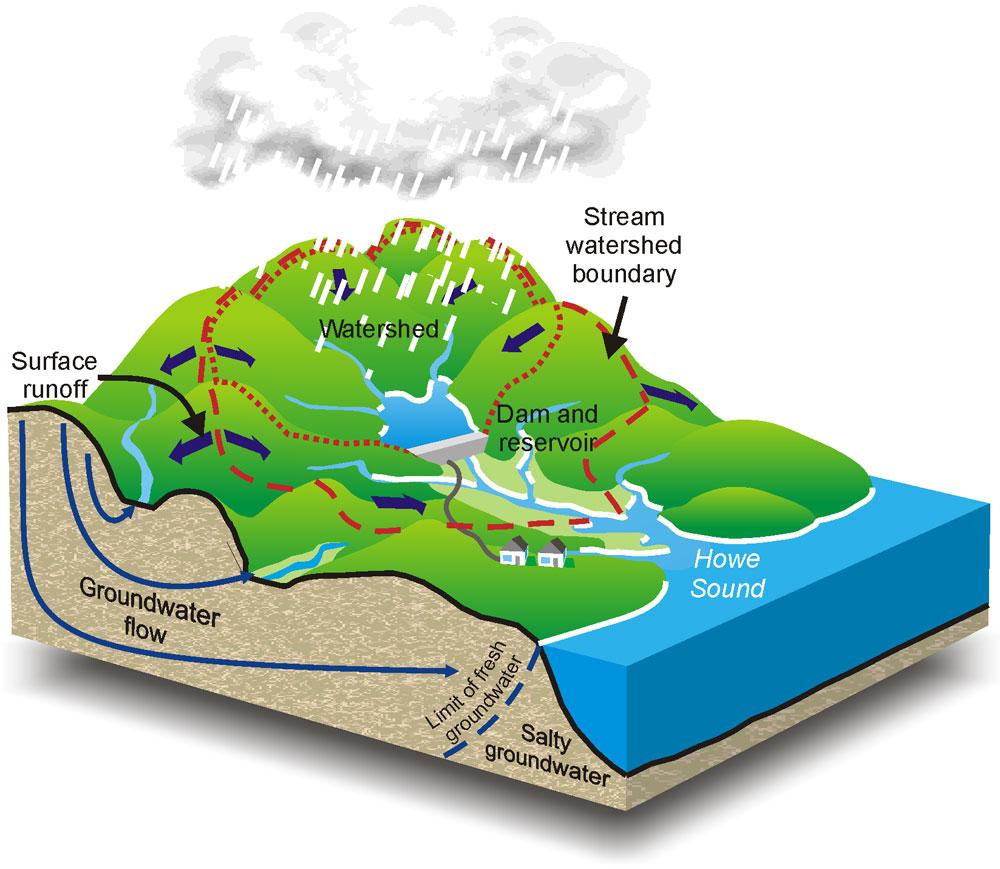
    Watershed councils in the Pacific Northwest exemplify successful community-driven water management:
    Picture background

    Collaborative Governance: Facilitating collaboration among diverse stakeholders, including farmers, environmentalists, businesses, and government agencies, to address watershed health and water quality issues.

    Stakeholder Engagement: Engaging local residents through volunteer monitoring programs, restoration projects, and educational outreach initiatives to improve watershed resilience and sustainability.

    Policy Advocacy: Advocating for policies that prioritize watershed conservation, habitat restoration, and sustainable water use practices based on community input and scientific research.

    Ethical Considerations and Community Impact:-

    Effective community engagement in water management requires a commitment to ethical principles, including:

    Equity and Justice: Addressing disparities in water access, affordability, and quality to ensure equitable distribution of benefits and burdens.

    Cultural Sensitivity: Respecting cultural diversity, indigenous rights, and traditional practices related to water use and management.

    Long-Term Sustainability: Promoting stewardship practices that safeguard water resources for future generations and minimize environmental impacts is essential. Therefore, we must prioritize sustainable approaches and encourage collective responsibility.

    Conclusion: Empowering Communities for Water Security:-

    In conclusion, community engagement is essential for fostering sustainable water management practices that promote resilience, equity, and environmental stewardship. As water resource engineers, we have a responsibility to champion inclusive approaches that empower communities to actively participate in decision-making processes and co-create solutions to water challenges. Consequently, by prioritizing these methods, we ensure that all voices are heard. Therefore, by building trust, sharing knowledge, and nurturing collaborative partnerships, we can achieve a future where water resources are managed wisely, ecosystems thrive, and communities flourish in harmony with their natural surroundings. Ultimately, through shared commitment and collective action, we can build resilient and water-secure communities that benefit present and future generations alike.

    Read more on:-

    For more information about engineering, architecture, and the building & construction sector, go through the posts related to the same topic on the Pinnacle IIT Blogs page.

    Find out more accurately what we are going to take off in the course of applying leading new technologies and urban design at Pinnacle IIT.

    Subscribe to our YouTube channel and blog websites to obtain all the up-to-date information relating to construction matters.


  • Embracing Water Conservation: From A Structural Engineer’s Perspective

    Embracing Water Conservation: From A Structural Engineer’s Perspective

    Water, essential to life and vital for our planet's sustainability, is increasingly becoming a precious resource. As a structural engineer deeply committed to environmental stewardship, I've witnessed firsthand the importance of integrating water conservation strategies into our built environment. In this blog, we'll explore innovative water conservation approaches. We'll also discuss the role of Building Information Modeling (BIM) in implementing these strategies and the human impact of sustainable water management.

    Understanding Water Conservation:-

    Water conservation entails reducing water usage and preserving freshwater resources through efficient practices and technologies. To ensure long-term water security, we need individual actions and systemic changes in sectors like agriculture, industry, and urban development.

    Challenges in Water Conservation:-

    1. Growing Water Demand:-

    Rapid population growth, urbanization, and industrial expansion escalate global water demand, straining freshwater supplies:

    Urban Water Use: Increasing urban populations necessitate efficient water distribution systems, leak detection technologies, and consumer awareness programs.

    Agricultural Demands: Agriculture remains a major water consumer, requiring irrigation efficiency improvements and sustainable farming practices to minimize water waste.

    Industrial Water Needs: Industry relies on water for manufacturing processes, emphasizing the importance of water reuse and recycling initiatives to reduce consumption.

    Picture background

    2. Water Losses and Infrastructure Challenges:-

    Aging infrastructure and distribution losses contribute to significant water wastage:

    Leakage Detection: Implementing BIM-enabled sensors and real-time monitoring systems to detect leaks promptly and optimize water distribution networks.

    Infrastructure Upgrades: To enhance efficiency and reduce losses, retrofit aging water systems with modern technologies like smart meters and automated valves.

    3. Climate Change Impacts:-

    Climate variability and extreme weather events exacerbate water scarcity and stress on ecosystems:

    Drought Resilience: Developing drought-resistant crops and implementing water-saving irrigation techniques to mitigate agricultural water use during dry periods.

    Water Quality Concerns: Ensuring adequate water supply for ecosystems and wildlife habitats amidst changing climate conditions and water quality degradation.

    Role of Building Information Modeling (BIM) in Water Conservation:-

    Building Information Modeling (BIM) is a transformative tool for advancing water conservation. It integrates data-driven design and management practices:

    Integrated Design: Using BIM to optimize building layouts, plumbing systems, and landscaping designs for water efficiency during the planning and design phases.

    Simulation and Analysis: Employing BIM-enabled simulations to evaluate water flow, consumption patterns, and environmental impacts, informing sustainable design decisions.

    Lifecycle Management: Implementing BIM for ongoing monitoring, maintenance, and performance optimization of water-efficient systems throughout the building's lifecycle.

    Innovative Water Conservation Strategies:-

    1. Low-Impact Development (LID) Techniques:-

    LID strategies aim to manage stormwater runoff and promote natural infiltration:

    Green Roofs and Permeable Pavements: Incorporating BIM to design green roofs that capture rainwater and permeable pavements that allow rainwater to infiltrate into the ground, reducing runoff and urban heat island effects.

    Rainwater Harvesting: Utilizing BIM to model rainwater collection systems integrated with building design, storing harvested rainwater for non-potable uses such as irrigation and toilet flushing.

    2. Water-Efficient Plumbing Fixtures:-

    Modern plumbing fixtures significantly reduce water consumption without compromising performance:

    High-Efficiency Toilets and Faucets: Designing BIM models to specify and integrate water-saving fixtures that meet or exceed EPA WaterSense standards, promoting water conservation in residential and commercial buildings.

    Smart Irrigation Systems: Leveraging BIM for precision irrigation systems that adjust watering schedules based on weather data and soil moisture levels, optimizing water use in landscaping.

    Picture background

    3. Educational and Behavioral Initiatives:-

    Promoting water conservation awareness and behavior change among building occupants and communities:

    Public Outreach Campaigns: Using BIM to visualize water conservation strategies and engage stakeholders through interactive educational materials and community workshops.

    Tenant Engagement: Incorporating BIM in building management systems to provide real-time water consumption feedback to occupants, encouraging conscious water use habits and fostering a culture of conservation.

    Real-World Applications of BIM in Water Conservation:-

    Case Study: California Academy of Sciences, San Francisco:-

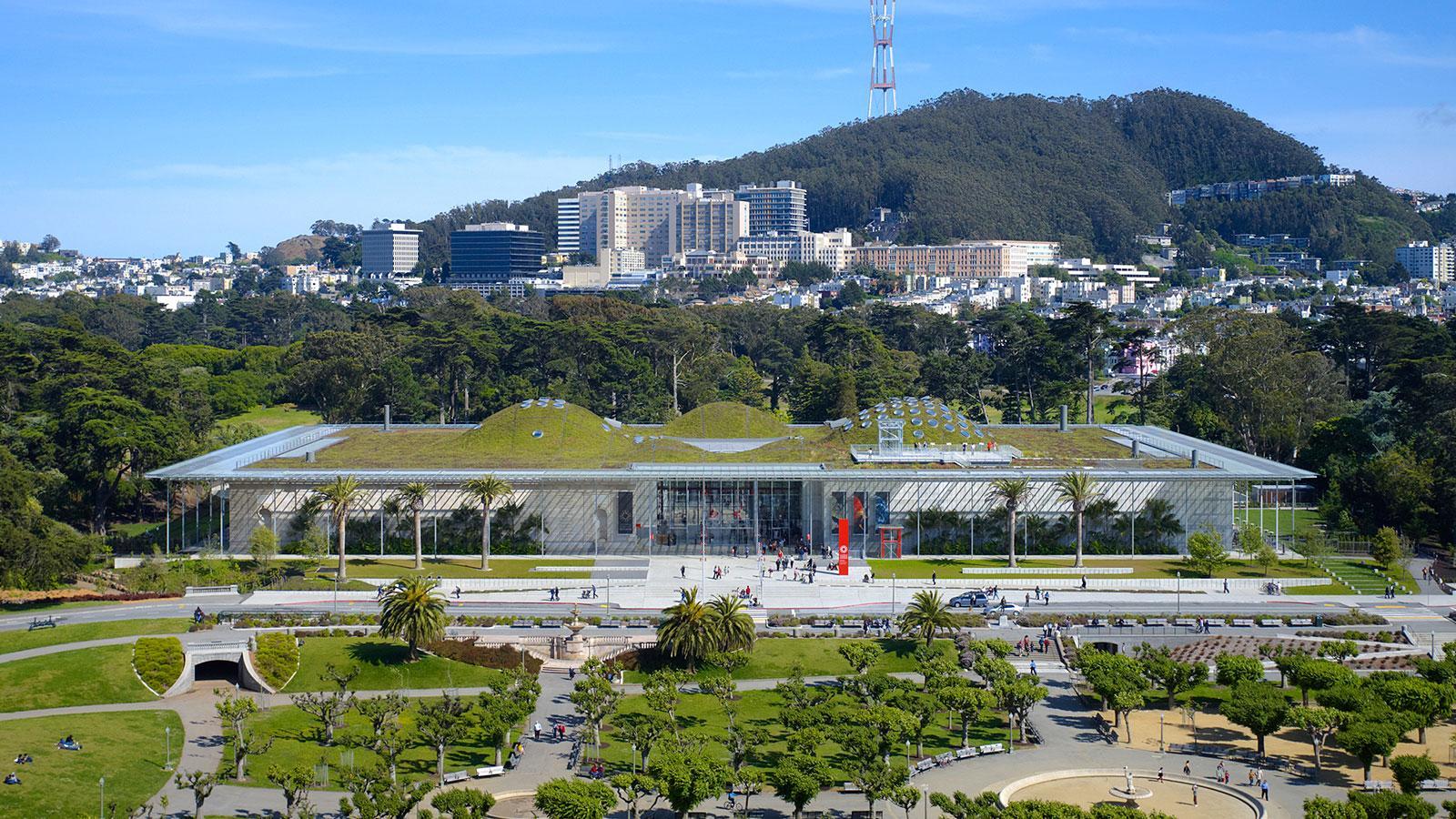
    The California Academy of Sciences integrated BIM to achieve LEED Platinum certification by implementing innovative water conservation strategies:

    Living Roof: BIM was used to design and model the academy's living roof, which supports native plant species and captures rainwater for onsite irrigation, reducing potable water demand.

    Water Recycling System: BIM-enabled design of a water recycling system that treats and recycles wastewater for non-potable uses, including toilet flushing and landscape irrigation, minimizing freshwater consumption.

    Picture background

    Ethical Considerations and Community Impact:-

    Beyond technical solutions, water conservation initiatives must prioritize equity, accessibility, and environmental justice:

    Equitable Access: Ensuring all communities have access to clean and affordable water resources, addressing disparities in water availability and quality.

    Environmental Stewardship: Protecting natural ecosystems and aquatic habitats through sustainable water management practices that prioritize ecological health and biodiversity conservation.

    Long-Term Sustainability: Adopting policies and practices that promote resilience to climate change and ensure sustainable water use for future generations.

    Conclusion: Toward a Water-Secure Future:-

    In conclusion, water conservation is a shared responsibility that requires collaboration, innovation, and a commitment to sustainable practices. Building Information Modeling (BIM) empowers structural engineers to lead the way in designing water-efficient buildings and infrastructure that minimize environmental impact and enhance community resilience. As we continue to embrace technological advancements and integrate holistic water management strategies, let us prioritize the human dimension of water conservation—ensuring equitable access, fostering community engagement, and safeguarding our planet's most precious resource for generations to come. Together, we can build a water-secure future that balances human needs with environmental stewardship, paving the way for a sustainable and resilient world.

    Read more on:-

    For more information about engineering, architecture, and the building & construction sector, go through the posts related to the same topic on the Pinnacle IIT Blogs page.

    Find out more accurately what we are going to take off in the course of applying leading new technologies and urban design at Pinnacle IIT.

    Subscribe to our YouTube channel and blog websites to obtain all the up-to-date information relating to construction matters.

  • Navigating Water Resource Management Challenges: From A Structural Engineer’s Perspective

    Navigating Water Resource Management Challenges: From A Structural Engineer’s Perspective

    Water, essential to life and civilization, poses complex challenges in its management and distribution. As a structural engineer specializing in water resource management, I've encountered firsthand the intricate interplay of engineering, environmental sustainability, and societal needs. In this blog, we’ll explore the key challenges in water resource management and how Building Information Modeling (BIM) helps address them, with a focus on human impact.

    Picture background

    Understanding Water Resource Management:-

    Water resource management involves planning and using water sources sustainably for domestic supply, agriculture, industry, and conservation. It involves balancing competing demands while ensuring water availability, quality, and resilience to climate variability and change.

    Key Challenges in Water Resource Management:-

    1. Water Scarcity and Demand Pressures:-

    Across the globe, growing populations, urbanization, and industrial expansion exert increasing pressure on finite water resources:

    Urban Demand: Rapid urban growth strains municipal water supplies, necessitating efficient distribution systems and demand management strategies.

    Agricultural Use: Agriculture remains the largest water consumer, requiring innovative irrigation techniques and water-efficient crop varieties to minimize waste.

    Environmental Needs: Balancing human needs with ecological requirements for sustaining aquatic habitats and biodiversity.

    2. Water Quality and Pollution Control:-

    Ensuring safe and clean water supplies is paramount to public health and ecosystem integrity:

    Pollution Sources: Industrial discharges, agricultural runoff, and urban wastewater pose contamination risks, requiring robust monitoring and treatment technologies.

    Natural Contaminants: Addressing naturally occurring pollutants such as arsenic, fluoride, and salinity in groundwater sources through mitigation strategies.

    Picture background

    3. Infrastructure Aging and Resilience:-

    Many water supply and distribution systems worldwide are aging and vulnerable to deterioration:

    Asset Management: Implementing proactive maintenance and rehabilitation programs to extend infrastructure lifespan and minimize service disruptions.

    Climate Resilience: Designing infrastructure to withstand extreme weather events, including floods, droughts, and sea-level rise exacerbated by climate change.

    4. Regulatory Compliance and Governance:-

    Navigating complex regulatory frameworks and ensuring compliance with water quality standards and environmental regulations:

    Policy Alignment: Harmonizing local, national, and international policies to promote equitable water distribution and sustainable management practices.

    Stakeholder Engagement: Engaging communities, indigenous groups, and stakeholders in decision-making processes to foster transparency and inclusivity.

    Role of Building Information Modeling (BIM) in Water Resource Management:-

    Building Information Modeling (BIM) revolutionizes water resource management by enhancing planning, design, construction, and operation of water infrastructure:

    Integrated Design: BIM facilitates interdisciplinary collaboration among engineers, architects, hydrologists, and environmental scientists to optimize water infrastructure designs.

    Simulation and Analysis: Using BIM, engineers can simulate water flow, analyze hydraulic performance, and model scenarios to optimize water distribution networks and treatment processes.

    Lifecycle Management: BIM supports asset lifecycle management, from initial planning and design through construction, operation, and maintenance, improving efficiency and reducing lifecycle costs.

    Real-World Applications of BIM in Water Projects:-

    Case Study: City of Copenhagen, Denmark:-

    Copenhagen's Integrated Urban Water Management Plan utilizes BIM to enhance resilience to climate change and improve water quality:

    Green Infrastructure: Incorporating BIM to design green roofs, permeable pavements, and urban wetlands that manage stormwater runoff and enhance urban biodiversity.  

    Data Integration: Utilizing BIM to integrate real-time sensor data for monitoring water quality, detecting leaks, and optimizing water distribution across the city.

    Picture background

    Ethical Considerations and Community Impact:-

    Beyond technical aspects, water resource management entails ethical considerations and community impacts:

    Equity and Access: Ensuring equitable access to clean water for all communities, including marginalized populations and vulnerable groups.

    Environmental Stewardship: Minimizing ecological footprint and conserving natural water resources through sustainable practices and adaptive management.

    Resilience and Preparedness: Building resilient communities by enhancing water infrastructure resilience and preparedness for natural disasters and emergencies.

    Innovations Driving Future Solutions:-

    Looking ahead, emerging technologies and innovations hold promise for addressing water resource management challenges:

    Smart Water Systems: Deploying Internet of Things (IoT) devices and AI-driven analytics to optimize water usage, detect leaks, and predict demand patterns.

    Desalination and Water Reuse: Advancing desalination technologies and promoting water reuse strategies to augment freshwater supplies and reduce dependency on finite resources.

    Community Engagement Platforms: Enhancing public awareness, education, and participation in water conservation efforts through interactive digital platforms and citizen science initiatives.

    Conclusion: Forging Sustainable Water Futures:-

    In conclusion, the challenges in water resource management demand a multidimensional approach that integrates technical expertise, environmental stewardship, and community engagement. Building Information Modeling (BIM) serves as a powerful tool to navigate these challenges, enabling holistic planning, efficient infrastructure design, and sustainable water management practices. As structural engineers, we have a responsibility to innovate, collaborate, and advocate for solutions that safeguard water resources for current and future generations. Together, let us continue to harness the power of technology and collective action to forge sustainable water futures that benefit communities worldwide.

    Read more on:-

    For more information about engineering, architecture, and the building & construction sector, go through the posts related to the same topic on the Pinnacle IIT Blogs page.

    Find out more accurately what we are going to take off in the course of applying leading new technologies and urban design at Pinnacle IIT.

    Subscribe to our YouTube channel and blog websites to obtain all the up-to-date information relating to construction matters.
  • Learning from Structural Failures: Perspective Of A Structural Engineer

    Learning from Structural Failures: Perspective Of A Structural Engineer

    Structural failures are sobering reminders of the immense responsibility that comes with designing and constructing buildings and infrastructure. As a structural engineer, I've studied these failures to understand their causes and learn lessons that guide my approach to every project. In this blog, we'll examine notable structural failures in history, uncover their causes, and highlight lessons that guide modern engineering practices.

    Understanding Structural Failures:-

    Structural failures happen when a building, bridge, or other infrastructure fails to function as intended. This can lead to partial or total collapse, damage, or safety issues. These failures can stem from various factors:

    Design Flaws: Errors in calculations, inadequate load assumptions, or insufficient consideration of environmental factors.

    Material Deficiencies: Substandard materials, poor quality control during construction, or unexpected material degradation over time.

    Construction Defects: Improper construction techniques, negligence in following specifications, or lack of oversight during the building process.

    Natural Disasters: Earthquakes, hurricanes, floods, and other extreme events that exceed the structure's design capacity.

    Case Studies of Structural Failures:-

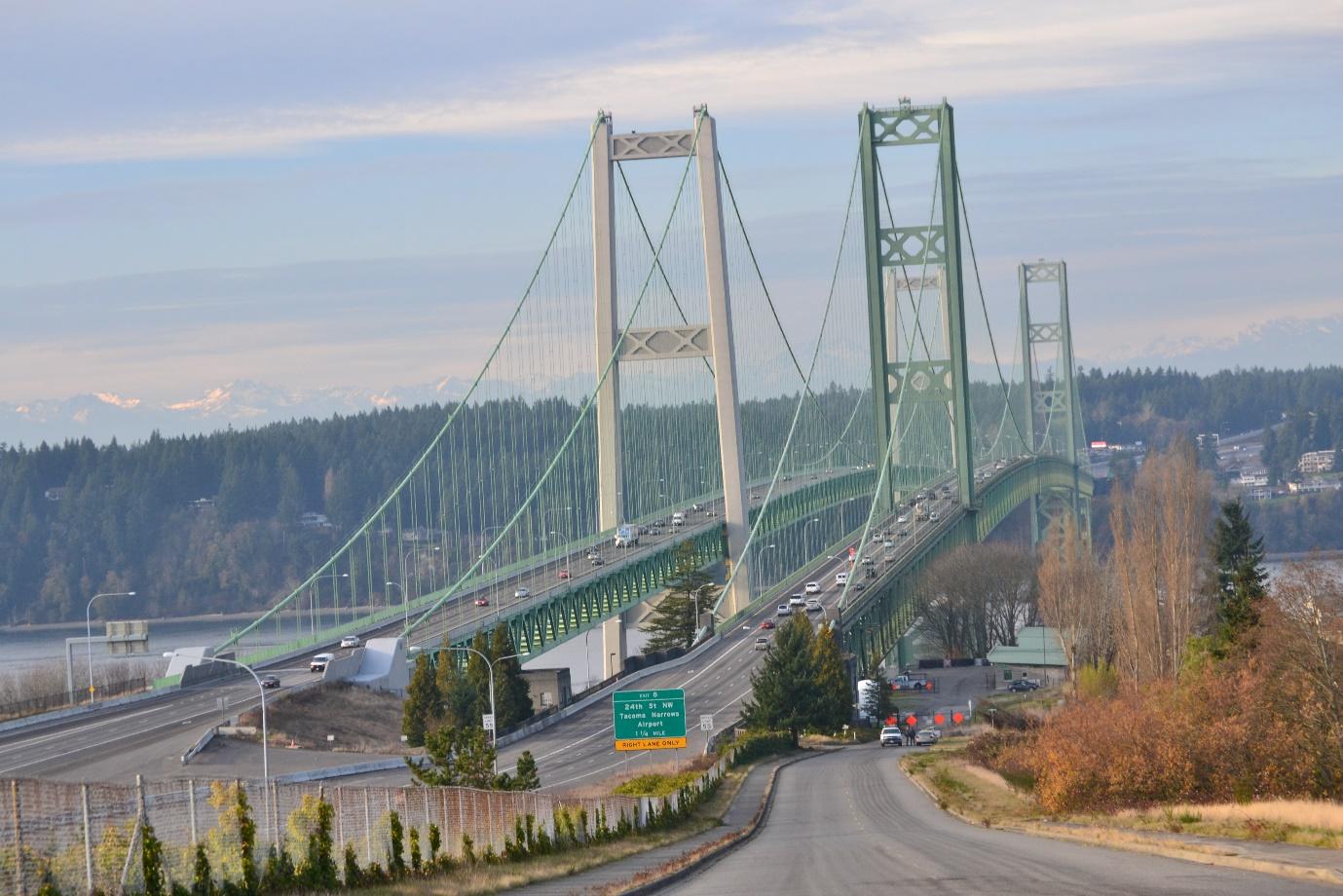
    1. Tacoma Narrows Bridge (1940):-

    The Tacoma Narrows Bridge in Washington State, USA, collapsed just months after opening. The failure was caused by aeroelastic flutter:

    Lesson Learned: Engineers gained insights into aerodynamic forces and the importance of considering dynamic effects in bridge design. This failure led to advancements in aerodynamic testing and improved understanding of structural dynamics.

    Picture background

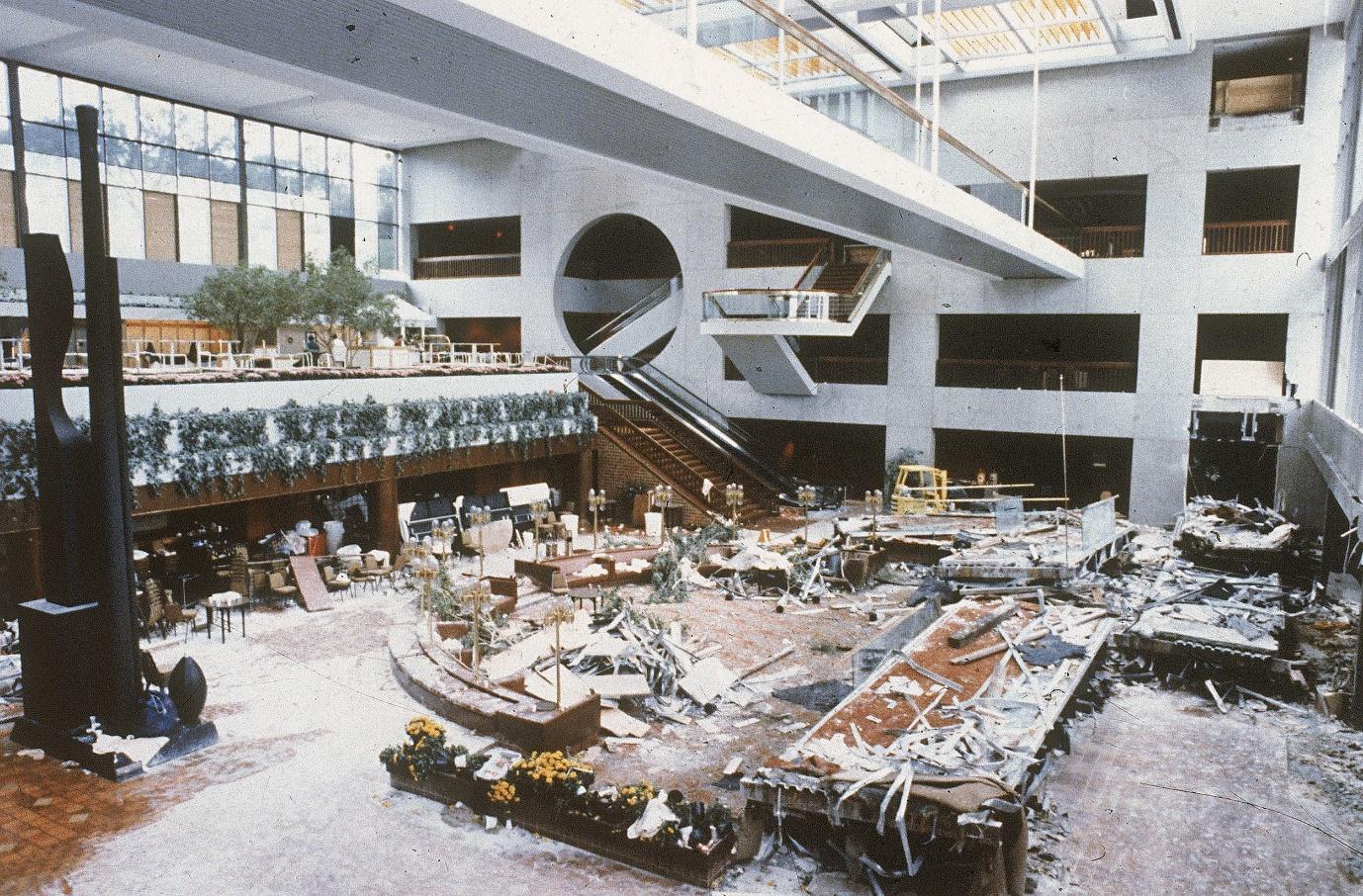
     2. Hyatt Regency Walkway Collapse (1981):-

    In Kansas City, USA, the collapse of walkways at the Hyatt Regency Hotel during a crowded event resulted in 114 deaths and hundreds of injuries.

    Lesson Learned: The collapse was attributed to a change in the original design of the walkways, compromising their load-bearing capacity. This tragedy underscored the critical importance of maintaining design integrity, rigorous review processes, and adherence to safety standards.

    Picture background

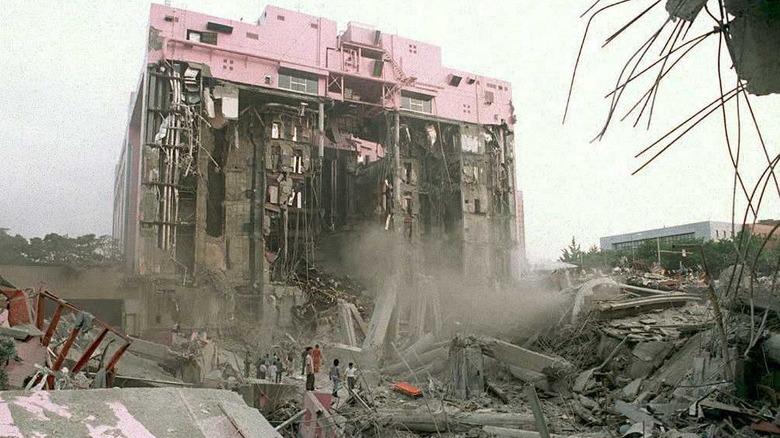
    3. Sampoong Department Store Collapse (1995):-

    In Seoul, South Korea, the collapse of the Sampoong Department Store killed 502 people. It revealed major problems in construction practices and regulatory oversight:

    Lesson Learned: Investigations revealed illegal alterations to the building's structure and overloading of floors beyond their design limits. This disaster prompted reforms in building codes, construction practices, and regulatory enforcement to enhance safety and prevent similar tragedies.

    Picture background

    Lessons Learned and Best Practices:-

    From these and other failures, structural engineers have gleaned essential lessons that guide our profession today:

    Importance of Design Review: Conduct rigorous peer reviews and independent validations of structural designs to identify flaws and ensure adequate safety margins.

    Quality Control in Construction: Strictly adhere to construction specifications and materials testing. Ensure continuous supervision to prevent any deviations that could compromise structural integrity.

    Risk Assessment and Mitigation: Conduct comprehensive risk assessments that address both natural hazards and human factors. This ensures structures are resilient and can withstand foreseeable events.

    Continuous Learning and Innovation: Embracing advancements in materials science, computational tools, and structural analysis techniques to improve design accuracy, efficiency, and sustainability.

    Implementing Lessons in Modern Engineering:-

    Incorporating lessons from past failures, modern structural engineering practices emphasize:

    Advanced Modeling and Simulation: Utilizing Building Information Modeling (BIM), finite element analysis (FEA), and computational fluid dynamics (CFD) to simulate structural behavior under various conditions and optimize design performance.

    Enhanced Safety Protocols: Implementing stringent safety protocols during construction, including regular inspections, quality assurance checks, and adherence to updated building codes and standards.

    Public Safety Awareness: Educating the public and stakeholders about structural safety, emergency procedures, and the importance of building maintenance to ensure long-term sustainability.

    The Role of Ethical Responsibility:-

    Beyond technical expertise, structural engineers bear a profound ethical responsibility to prioritize public safety and uphold professional integrity:

    Ethical Decision-Making: Balancing competing priorities such as cost, schedule, and design innovation while never compromising on safety or regulatory compliance.

    Transparency and Accountability: Maintaining open communication with stakeholders, including clients, regulatory bodies, and the public, to foster trust and ensure transparency throughout the project lifecycle.

    Conclusion: Building a Safer Future:-

    In conclusion, while structural failures serve as poignant reminders of the risks inherent in our profession, they also drive continuous improvement and innovation in structural engineering. By studying these failures, extracting key lessons, and implementing robust safety measures and ethical practices, we can mitigate risks, enhance structural resilience, and build a safer future for communities worldwide. As structural engineers, we must remain vigilant, adaptive, and committed to learning from the past to ensure the structures we design today stand the test of time, safeguarding lives and enriching the built environment for generations to come.

    Read more on:-

    For more information about engineering, architecture, and the building & construction sector, go through the posts related to the same topic on the Pinnacle IIT Blogs page.

    Find out more accurately what we are going to take off in the course of applying leading new technologies and urban design at Pinnacle IIT.

    Subscribe to our YouTube channel and blog websites to obtain all the up-to-date information relating to construction matters.

  • Bridging the Past and Present: A Historical Perspective on Structural Engineering

    Bridging the Past and Present: A Historical Perspective on Structural Engineering

    As structural engineers, we are custodians of the built environment. We design and construct structures that withstand the test of time. Our profession has evolved from humble beginnings to the forefront of technological innovation. Each era has left its mark on the landscapes we inhabit. In this blog, we'll explore the historical evolution of structural engineering. We'll also discuss how Building Information Modeling (BIM) has changed our approach to understanding and preserving architectural heritage.

    Foundations of Structural Engineering: Ancient Wonders and Innovations:-

    The roots of structural engineering can be traced back to ancient civilizations. They erected awe-inspiring monuments and infrastructure without modern technology. Examples include:

    Egyptian Pyramids: Built over 4,500 years ago, the pyramids of Giza are enduring symbols of ancient engineering. They utilize massive stone blocks and precise geometric alignments.

    Picture background

    Roman Aqueducts: The Romans built aqueducts to transport water across long distances. They used arches and concrete, an innovative material that influenced architecture for centuries.

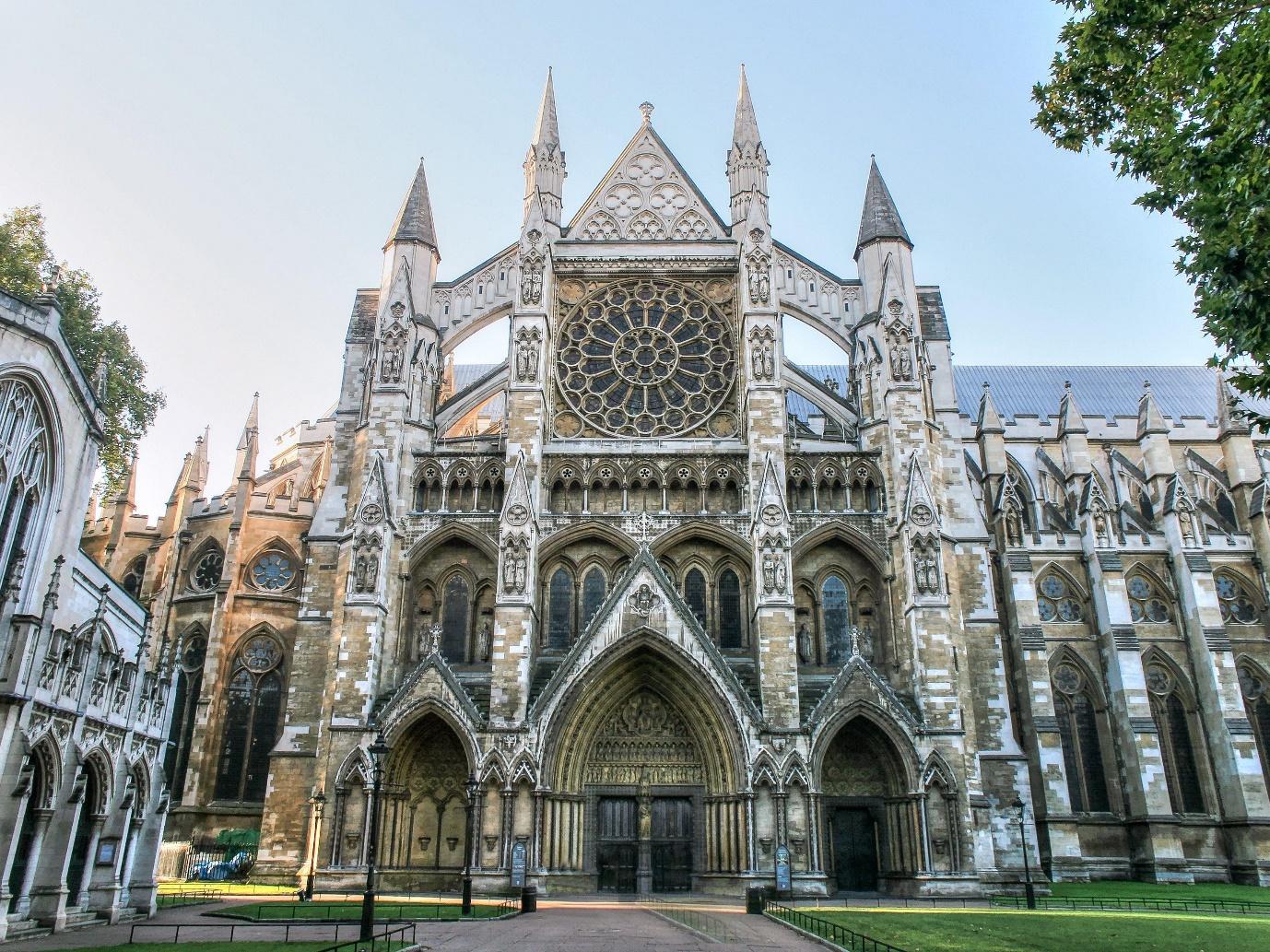
    Gothic Cathedrals: In medieval Europe, Gothic cathedrals showcased vaulted ceilings, flying buttresses, and intricate stonework. These features pushed the limits of architectural design and structural stability.

    Picture background

    The Renaissance and Enlightenment: Innovations in Structural Theory:-

    During the Renaissance and Enlightenment periods, structural engineering evolved from empirical practice to scientific inquiry. Pioneers during this time laid the groundwork for modern principles:

    Leonardo da Vinci: Da Vinci's anatomical studies and engineering sketches explored load-bearing structures and mechanics. His work contributed to the understanding of forces and equilibrium.

    Robert Hooke: Hooke's “Law of Elasticity” revolutionized structural analysis. It quantified how materials deform under stress, paving the way for more precise calculations and design methodologies.

    Eiffel Tower: Designed by Gustave Eiffel for the 1889 Paris Exposition, the Eiffel Tower showcases wrought iron and advanced structural analysis. It set a benchmark for tall steel structures.

    Industrial Revolution: Steel, Skyscrapers, and Structural Innovation:-

    The Industrial Revolution transformed materials and construction methods. It led to the rise of skyscrapers and significant engineering achievements:

    Brooklyn Bridge: Completed in 1883, the Brooklyn Bridge used steel cables and suspension techniques to cross the East River, demonstrating steel's potential in construction.

    Chicago School of Architecture: Architects like Louis Sullivan and engineers embraced steel-frame construction. This innovation led to the birth of skyscrapers, reshaping urban landscapes and redefining city skylines.

    Picture background

    Golden Gate Bridge: Opened in 1937, the Golden Gate Bridge combined advanced engineering with striking aesthetics, merging functionality and architectural beauty.

    Modern Era: Technology and Computational Advancements:-

    The advent of computers and digital tools in the 20th century revolutionized structural engineering. It ushered in a new era of precision, efficiency, and safety.

    Finite Element Analysis (FEA): Developed in the 1950s, FEA allows engineers to simulate complex structural behavior under various loads. This helps enhance design optimization and safety.

    Computer-Aided Design (CAD): CAD software transformed how engineers draft and visualize designs, streamlining workflows and facilitating collaboration across disciplines.

    Introduction of BIM: Building Information Modeling (BIM) emerged in the late 20th century. It changed how buildings and infrastructure are designed, constructed, and managed.

    Building Information Modeling (BIM): Revolutionizing Structural Engineering:-

    Building Information Modeling (BIM) represents the pinnacle of technological advancement in structural engineering, integrating data-rich digital models to enhance collaboration, efficiency, and sustainability:

    Parametric Design: BIM allows engineers to explore and optimize design alternatives in a virtual environment, considering factors such as material performance, environmental impact, and cost efficiency.

    Interdisciplinary Coordination: BIM facilitates seamless collaboration among architects, engineers, contractors, and stakeholders, reducing errors, conflicts, and delays during the design and construction phases.

    Lifecycle Management: Beyond design and construction, BIM supports the entire lifecycle of structures, from maintenance and renovation to eventual decommissioning, ensuring long-term efficiency and sustainability.

    Preserving Heritage with BIM: Case Studies in Structural Conservation:-

    BIM's impact extends beyond new construction to the preservation and restoration of historical structures:

    Taj Mahal Restoration:-

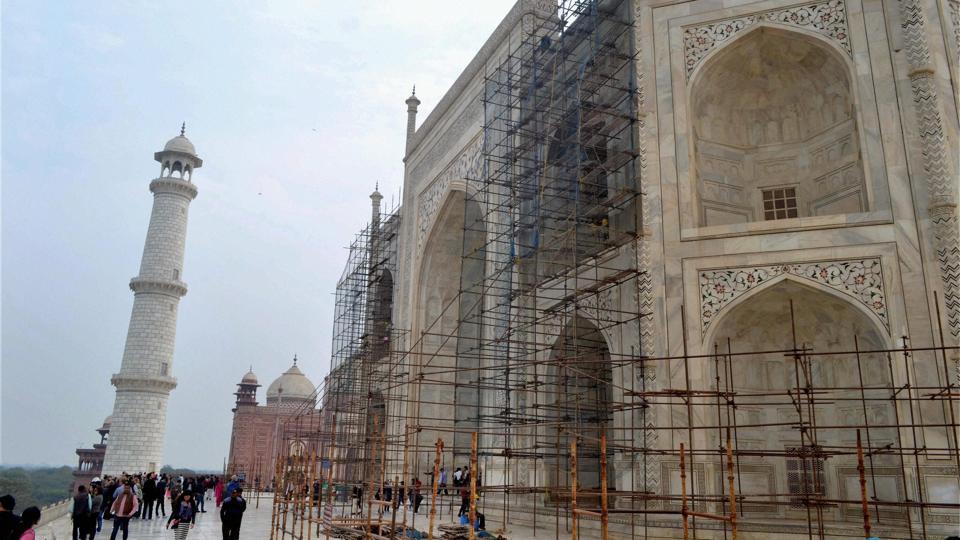
    BIM was employed to assess structural integrity, plan restoration works, and document intricate architectural details of the iconic Taj Mahal in India.

    Picture background

    Colosseum Conservation:-

    In Rome, BIM technology facilitated the conservation of the Colosseum, allowing engineers to digitally reconstruct missing elements and simulate the monument's original appearance.

    Picture background

    Challenges and Future Directions:-

    While BIM offers unprecedented capabilities, challenges remain as we navigate the future of structural engineering:

    Data Integration and Standardization: Harmonizing data formats and standards across BIM platforms to ensure interoperability and seamless data exchange.

    Technological Adaptation: Continuous learning and adaptation to emerging technologies, such as artificial intelligence (AI) and advanced simulation tools, to further enhance design innovation and efficiency.

    Sustainability Imperative: Integrating sustainable practices into BIM workflows to minimize environmental impact and promote resilience in the face of climate change.

    Conclusion: Engineering the Future, Honoring the Past:-

    In conclusion, the evolution of structural engineering—from ancient marvels to modern skyscrapers—is a testament to human ingenuity, perseverance, and the quest for excellence. Building Information Modeling (BIM) represents the culmination of centuries of innovation, empowering engineers to design structures that are not only functional and safe but also sustainable and culturally significant. As we embrace the challenges and opportunities of the digital age, let us continue to honor our architectural heritage while pushing the boundaries of what is possible in structural engineering. Together, we can shape a built environment that meets the needs of present and future generations, bridging the past with the promise of a sustainable and resilient future.

    Read more on:-

    For more information about engineering, architecture, and the building & construction sector, go through the posts related to the same topic on the Pinnacle IIT Blogs page.

    Find out more accurately what we are going to take off in the course of applying leading new technologies and urban design at Pinnacle IIT.

    Subscribe to our YouTube channel and blog websites to obtain all the up-to-date information relating to construction matters.

  • Bridge Engineering for Civil Engineers

    Bridge Engineering for Civil Engineers

    Bridges, marvels of engineering prowess, stand as iconic symbols of connectivity and human ingenuity. As a structural engineer specializing in bridge engineering, I’ve worked on projects that span rivers, valleys, and highways. These bridges connect communities and support economic growth. Sure, here's a shorter version of the sentence:

    In this blog, I'll explore bridge engineering, focusing on challenges, innovations, and the human stories behind these crucial structures.

    The Essence of Bridge Engineering:-

    At its core, bridge engineering is about overcoming obstacles—both physical and logistical—to create safe, efficient, and aesthetically pleasing structures. Bridges serve essential functions in our modern infrastructure, enabling transportation networks to flourish and providing lifelines during emergencies. As engineers, our job is to design bridges that blend with their surroundings and improve the human experience.

    Types of Bridges and Their Applications:-

    Bridges come in various forms, each tailored to specific geographic, environmental, and traffic considerations. Here are some common types:

    Beam Bridges: Simple and economical, beam bridges span short to moderate distances, supported by abutments or piers.

    Arch Bridges: Known for their graceful curves and timeless appeal, arch bridges distribute weight outward along the curve, ideal for spanning rivers and valleys.

    Suspension Bridges: Iconic for their long spans and suspended deck supported by cables, suspension bridges like the Golden Gate Bridge showcase engineering innovation.

    Cable-Stayed Bridges: Featuring cables that directly connect the deck to towers, cable-stayed bridges offer aesthetic flexibility and structural efficiency.

    Each bridge type presents unique design challenges and opportunities. Achieving optimal performance and durability requires a blend of creativity and technical expertise.

    Engineering Challenges in Bridge Design:-

    Designing a bridge involves navigating a complex interplay of factors, from geological conditions and hydraulic forces to traffic patterns and environmental impacts. Here are some key challenges:

    Geotechnical Considerations: Understanding soil composition and stability to ensure foundations can support the bridge's weight and withstand external forces.

    Hydraulic Analysis: Evaluating water flow dynamics to determine bridge height, pier design, and flood resilience.

    Structural Integrity: Balancing structural strength, stiffness, and durability to meet safety standards and accommodate varying loads.

    Aesthetics and Environment: Integrating bridges harmoniously into their surroundings while minimizing environmental impact and enhancing urban aesthetics.

    Innovations in Bridge Engineering:-

    Advancements in materials, construction techniques, and design tools have transformed bridge engineering:

    High-Performance Materials: From high-strength concrete to advanced composites, new materials enhance durability, reduce maintenance costs, and extend bridge lifespan.

    Prefabrication and Modular Construction: Off-site fabrication of bridge components accelerates construction timelines, minimizes disruption to traffic, and improves overall project efficiency.

    Digital Design Tools: Building Information Modeling (BIM) and computer-aided design (CAD) software enable precise 3D modeling, simulation, and analysis, optimizing structural performance and construction sequencing.

    Human Stories Behind Bridges:-

    Behind every bridge project lies a narrative of collaboration, innovation, and community impact. Here are two inspiring stories:

    Story 1: The Millau Viaduct, France:-

    The Millau Viaduct, designed by structural engineer Michel Virlogeux and architect Norman Foster, spans the Tarn Valley in southern France. This cable-stayed bridge stands as the tallest in the world, showcasing how engineering prowess can harmonize with breathtaking natural landscapes. Its construction not only improved regional connectivity but also boosted tourism and economic development in the region.

    Story 2: The Brooklyn Bridge, USA:-

    A testament to 19th-century engineering ingenuity, the Brooklyn Bridge in New York City was designed by John Augustus Roebling and completed by his son, Washington Roebling. Overcoming immense challenges, including underwater caissons and a debilitating illness, the Roeblings' dedication and innovation resulted in a bridge that continues to serve as an iconic symbol of American engineering achievement and urban connectivity.

    Picture background

    Sustainability in Bridge Engineering:-

    In an era of increasing environmental awareness, sustainability has become a cornerstone of bridge design and construction:

    Green Infrastructure: Incorporating green spaces, wildlife corridors, and sustainable drainage systems into bridge projects to promote biodiversity and mitigate urban heat island effects.

    Lifecycle Assessment: Evaluating the environmental impact of bridges from material extraction to demolition, optimizing designs for minimal environmental footprint.

    Renewable Energy Integration: Exploring opportunities for integrating renewable energy technologies, such as solar panels and kinetic energy recovery systems, into bridge structures to reduce reliance on fossil fuels.

    Challenges and Opportunities Ahead:-

    As we look to the future of bridge engineering, several challenges and opportunities emerge:

    Climate Resilience: Designing bridges to withstand increasingly frequent and severe weather events, including storms, floods, and rising sea levels, due to climate change.

    Technological Integration: Embracing emerging technologies like artificial intelligence (AI) and Internet of Things (IoT) for real-time monitoring, predictive maintenance, and enhanced operational efficiency.

    Community Engagement: Fostering public participation and stakeholder collaboration in bridge projects to ensure designs reflect local needs, cultural values, and long-term sustainability.

    Conclusion: Bridging Communities, Connecting Futures:-

    In conclusion, bridge engineering is more than erecting structures; it's about forging connections—between people, places, and possibilities. As structural engineers, we have the privilege and responsibility to design bridges that not only stand the test of time but also inspire awe, facilitate growth, and foster resilience in our ever-changing world. With each bridge we build, we strive to create enduring landmarks that serve as testaments to human innovation and bridges to a sustainable future. Together, let's continue to bridge communities and connect futures, one span at a time.

    Read more on:-

    For more information about engineering, architecture, and the building & construction sector, go through the posts related to the same topic on the Pinnacle IIT Blogs page.

    Find out more accurately what we are going to take off in the course of applying leading new technologies and urban design at Pinnacle IIT.

    Subscribe to our YouTube channel and blog websites to obtain all the up-to-date information relating to construction matters.